
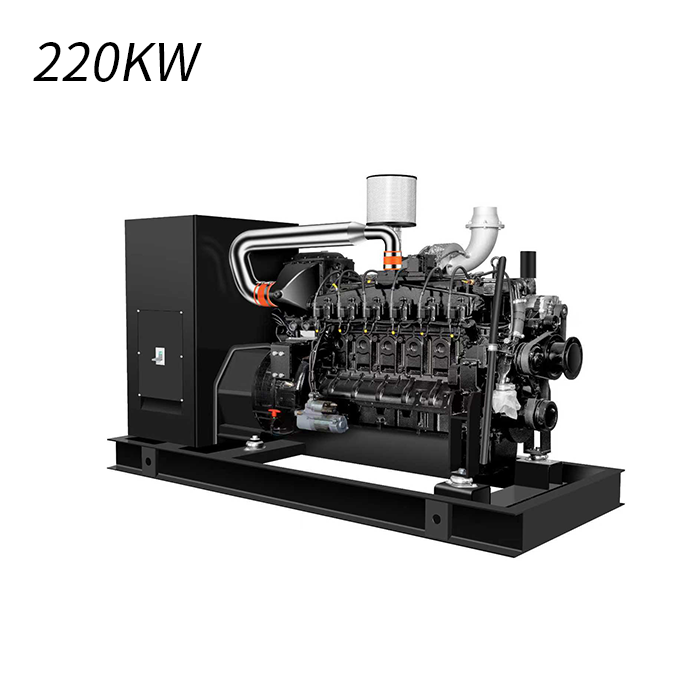
As industries face mounting pressure to reduce their environmental footprint, the methane generator has emerged as one of the most effective tools for converting waste gas into usable electricity while simultaneously cutting carbon emissions. Rather than venting or flaring methane — a greenhouse gas far more potent than carbon dioxide over a short-term horizon — facilities across multiple industries are now capturing it and running it through a methane generator to produce clean, on-site power. This shift represents both an environmental commitment and a compelling economic strategy.
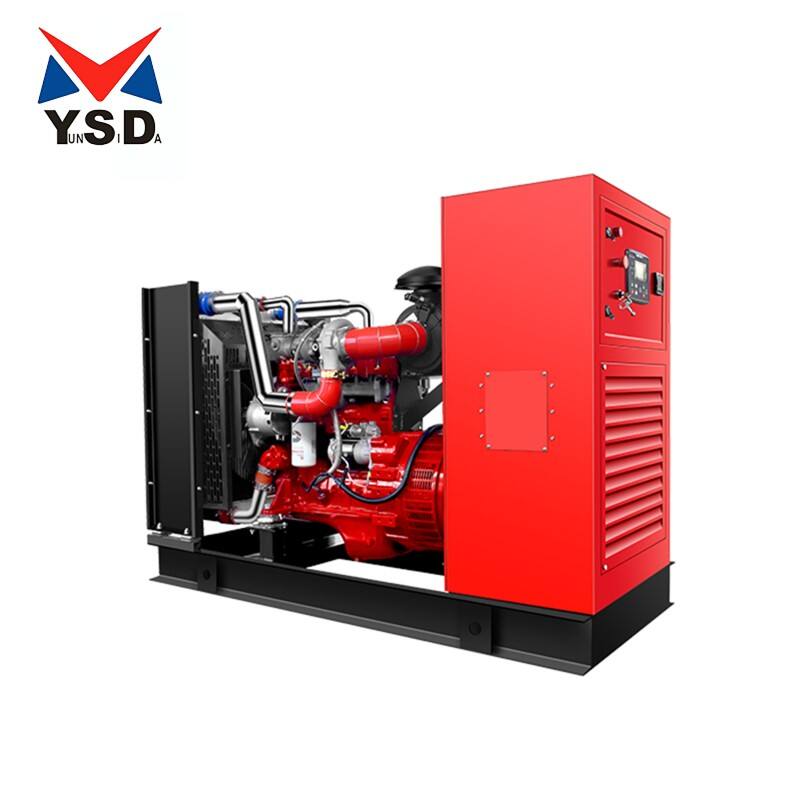
Understanding which specific facility types are best positioned to deploy a methane generator is essential for procurement managers, sustainability directors, and operations teams who want to make data-driven decisions. The answer depends largely on whether a facility naturally generates methane-rich biogas or landfill gas as a byproduct of its core operations. When that condition is met, a methane generator becomes not just an emissions reduction tool, but a genuine asset that offsets grid electricity costs and contributes to measurable carbon accounting goals.
Wastewater Treatment Plants and Anaerobic Digestion
How Sewage Processing Creates Methane Fuel
Municipal and industrial wastewater treatment plants are among the most established users of the methane generator. The anaerobic digestion process, which breaks down organic sludge from sewage treatment, naturally produces biogas with a methane concentration typically ranging between 55 and 70 percent. This gas stream is sufficiently rich to power a methane generator reliably, and many large treatment facilities have been doing exactly this for decades.
The scale of a municipal wastewater treatment plant means that biogas production is continuous and predictable. A methane generator installed at such a facility can supply a significant portion of the plant's own electricity demand, reducing reliance on the external grid. In many cases, surplus power is exported back to the grid, creating a secondary revenue stream for the operating municipality or private operator.
Beyond electricity, the heat recovered from a methane generator's cooling and exhaust systems can be redirected to maintain digester temperatures, improving the overall efficiency of the anaerobic process. This combined heat and power configuration — often called CHP — makes the methane generator central to the facility's energy strategy rather than a peripheral add-on.
Industrial Food and Beverage Wastewater
Food processing facilities, breweries, and dairy operations produce wastewater with extremely high organic loads. When this high-strength effluent is processed through an anaerobic digester, it yields biogas volumes that rival or exceed those of municipal systems on a per-unit-volume basis. A methane generator sized appropriately for this gas output can cover a substantial share of facility energy needs.
For food and beverage manufacturers operating under strict sustainability reporting requirements, deploying a methane generator directly addresses Scope 1 and Scope 2 emissions. Methane that would otherwise contribute to direct greenhouse gas emissions is converted into electricity, making it one of the most carbon-efficient investments available to this sector. Operational teams also benefit from reduced disposal costs associated with managing high-BOD wastewater streams.
Landfill Sites and Waste Management Facilities
Landfill Gas as a Methane Generator Feedstock
Sanitary landfills continuously produce landfill gas as buried organic waste decomposes under anaerobic conditions. This gas typically contains between 45 and 60 percent methane, making it a viable fuel source for a methane generator. Landfill gas collection systems, which use a network of wells and pipes to capture rising gases, have become standard infrastructure at regulated landfills worldwide.
Without a methane generator or flare system, landfill methane would escape into the atmosphere and contribute directly to climate warming. Deploying a methane generator transforms this liability into a productive asset. The electricity generated can power on-site operations such as leachate treatment systems, administrative buildings, and equipment charging infrastructure.
Larger landfills often generate enough methane to justify a multi-unit methane generator installation with grid export capability. Smaller or older landfill sites with declining gas output may use a single, modular methane generator unit that can be adjusted as gas volumes change over the site's post-closure lifespan. Scalability is one of the key operational advantages that makes the methane generator well suited to landfill environments.
Waste Transfer Stations and Organic Waste Processing Centers
Facilities that process municipal solid waste, including anaerobic digestion-based organic waste treatment centers, also qualify as strong candidates for methane generator deployment. These sites handle large volumes of kitchen and garden waste that decompose rapidly under controlled conditions, producing predictable biogas flows. A methane generator installed at such a site enables the facility to power its own operations from the very waste it processes.
This closed-loop energy model is increasingly attractive to city governments and private waste contractors who are under pressure to demonstrate circular economy principles. When a waste processing facility uses a methane generator to eliminate fugitive methane emissions while generating electricity, it achieves a double carbon benefit that is clearly communicable in sustainability reporting.
Agricultural Operations and Livestock Farms
Manure Management and Biogas Potential
Large-scale livestock operations — particularly cattle feedlots, dairy farms, and hog confinement facilities — produce enormous quantities of manure that, when managed in covered lagoon systems or digesters, generate biogas rich in methane. A methane generator installed at an agricultural digester converts this gas directly into electricity and heat, addressing one of agriculture's most significant emission sources.
Livestock manure management has historically been a major source of methane emissions in the agricultural sector. Transitioning from open lagoons to covered digesters paired with a methane generator changes the emission profile of a farm dramatically. The methane is captured before it reaches the atmosphere, and the electricity generated can power ventilation systems, water pumps, feed equipment, and lighting across the entire facility.
For farm operators, the economic case for a methane generator is also strengthened by the value of digestate — the nutrient-rich byproduct of anaerobic digestion — as a fertilizer that can replace or supplement synthetic inputs. This means the methane generator contributes to both the energy and agronomic economics of the operation.
Crop-Based Biogas Plants
In regions where dedicated energy crops such as maize silage or grass silage are cultivated specifically to feed anaerobic digesters, large agricultural biogas plants are built around a centralized methane generator. These purpose-built facilities are designed from the ground up to optimize biogas yield and maximize the efficiency of the methane generator at their core.
Such facilities often supply electricity to the local grid under long-term feed-in tariff agreements while simultaneously providing heat to neighboring farms or small communities. The methane generator in this context is not simply an emission reduction tool — it is the primary revenue-generating asset of an agricultural energy business model.
Industrial Manufacturing and Chemical Processing Facilities
Biogas Recovery in Industrial Processes
Certain manufacturing and chemical processing operations produce methane-containing gases as an unavoidable byproduct. Fermentation-based pharmaceutical and biochemical plants, for example, often generate biogas during fermentation stages or from the treatment of their high-strength process wastewater. Installing a methane generator allows these facilities to recover energy value from a gas stream that would otherwise require controlled destruction.
Textile dyeing facilities, paper mills, and starch processing plants also fall into this category, as their biological wastewater treatment systems frequently include anaerobic reactors that produce digestible biogas volumes. A properly sized methane generator in such an environment provides both carbon emission reductions and measurable cost savings on industrial electricity bills, which are typically significant at this scale of operation.
Food Manufacturing and Rendering Plants
Animal rendering operations and large food manufacturing plants that process organic byproducts at scale are well suited to methane generator deployment. The high organic content of rendering process wastewater and solid waste streams creates conditions where anaerobic digestion produces reliably high methane concentrations. Facilities in this sector that have already invested in wastewater treatment infrastructure often find that adding a methane generator is a natural and cost-effective extension of their existing systems.
From a regulatory and corporate social responsibility perspective, rendering and food manufacturing plants that deploy a methane generator can demonstrate quantifiable emissions reductions as part of their annual sustainability disclosures. With industrial electricity prices subject to volatility, the self-generation capability of a methane generator also provides a degree of energy cost stability that is strategically valuable.
Hospitals, Universities, and Institutional Campuses
On-Site Organic Waste Streams Supporting Methane Generation
Large institutional campuses — including hospitals, university research complexes, and military bases — generate significant volumes of organic waste from catering, laboratory operations, and facility maintenance activities. When these facilities invest in on-site anaerobic digestion infrastructure, a methane generator becomes the logical endpoint of the system, converting campus waste into campus power.
Hospitals in particular have strong incentives to pursue on-site generation because their electricity demand is continuous, critical, and high. A methane generator integrated with a biogas digester fed by food waste and other organic streams can contribute meaningfully to a hospital's energy resilience while simultaneously reducing its scope of carbon emissions. The combined heat output from the methane generator can also serve sterilization, heating, or hot water systems within the facility.
Research and Agricultural University Settings
Agricultural universities and research institutions that maintain animal facilities, experimental farms, or bioprocessing laboratories often operate anaerobic digesters as both research infrastructure and operational assets. A methane generator paired with these digesters serves a dual purpose: it provides hands-on teaching and research opportunities in renewable energy technology while also generating real electricity and reducing the institution's carbon footprint.
For facilities pursuing net-zero or carbon-neutral certification, the methane generator represents one of the most verifiable forms of on-site emission reduction available. The carbon accounting benefits are direct and measurable — captured methane that would have escaped or required flaring is instead converted into productive energy, with emissions factors significantly lower than equivalent grid electricity in most regions.
FAQ
What types of facilities benefit most from deploying a methane generator?
Facilities that benefit most are those that already produce methane-rich biogas or landfill gas as a byproduct of their core operations. This includes wastewater treatment plants, landfill sites, livestock farms with anaerobic digesters, food processing facilities, and industrial plants with high-organic-content wastewater treatment systems. These facilities have a ready fuel source for the methane generator, making the return on investment both faster and more predictable.
How does a methane generator reduce carbon emissions compared to simply flaring the gas?
Flaring converts methane to carbon dioxide through combustion, which reduces the global warming impact since methane is far more potent than CO2. However, a methane generator goes further by converting the same gas into electricity, displacing grid power that is often generated from fossil fuels. The net carbon benefit of a methane generator is therefore substantially greater than flaring alone, because it avoids both fugitive methane emissions and the carbon cost of grid electricity generation.
Can a methane generator operate continuously, or does it require fuel storage?
In most facility types where biogas production is continuous — such as active landfills, wastewater treatment plants, and agricultural digesters with consistent feedstock inputs — a methane generator can operate on a near-continuous basis without the need for significant gas storage. Where biogas production is intermittent or variable, modest buffer storage tanks are typically installed upstream of the methane generator to smooth out supply fluctuations and maintain stable generator output.
What gas quality does a methane generator require to operate efficiently?
Most industrial methane generator units are designed to operate on biogas with a methane content of 45 percent or higher, though some models are optimized for higher-concentration gas streams. Moisture removal and hydrogen sulfide scrubbing are typically required before the gas enters the methane generator, as high moisture content and sulfur compounds can cause corrosion and reduce engine longevity. Proper gas conditioning upstream of the methane generator is essential for achieving rated output and maintaining long-term reliability.
Table of Contents
- Wastewater Treatment Plants and Anaerobic Digestion
- Landfill Sites and Waste Management Facilities
- Agricultural Operations and Livestock Farms
- Industrial Manufacturing and Chemical Processing Facilities
- Hospitals, Universities, and Institutional Campuses
-
FAQ
- What types of facilities benefit most from deploying a methane generator?
- How does a methane generator reduce carbon emissions compared to simply flaring the gas?
- Can a methane generator operate continuously, or does it require fuel storage?
- What gas quality does a methane generator require to operate efficiently?