
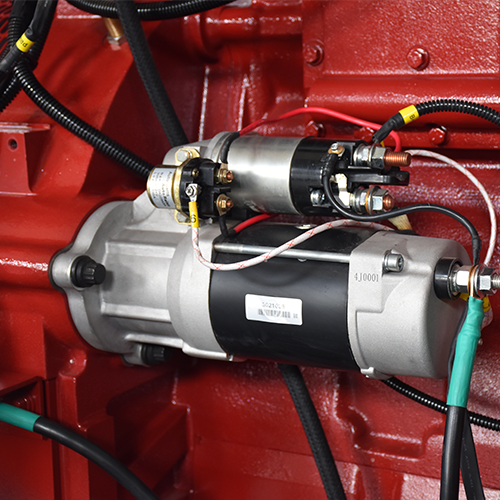
A natural gas genset represents a significant advancement in power generation technology, offering substantial improvements in energy efficiency compared to traditional diesel and gasoline generators. The operational mechanism of a natural gas genset inherently promotes better fuel utilization through complete combustion processes, reduced energy losses, and optimized thermal efficiency. Understanding how these systems achieve superior energy efficiency requires examining their combustion characteristics, heat recovery capabilities, and overall system design principles that minimize waste while maximizing useful power output.
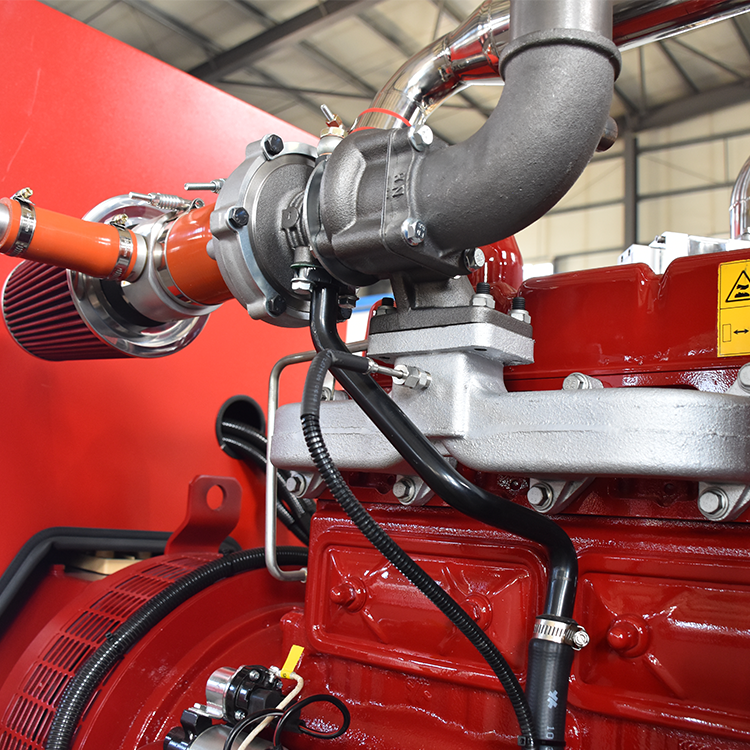
The efficiency gains achieved through natural gas genset technology stem from multiple interconnected factors that work together to reduce energy waste and improve performance. These generators leverage the superior combustion properties of natural gas, which burns cleaner and more completely than liquid fuels, resulting in higher thermal efficiency and reduced parasitic losses. The combination of advanced engine technologies, optimized air-fuel ratios, and integrated heat recovery systems enables natural gas gensets to convert a higher percentage of fuel energy into usable electrical power, making them an increasingly popular choice for applications requiring reliable, efficient power generation.
Combustion Efficiency and Fuel Utilization
Superior Combustion Characteristics of Natural Gas
Natural gas possesses inherent combustion properties that contribute directly to enhanced energy efficiency in genset applications. The molecular structure of methane, the primary component of natural gas, allows for more complete combustion with optimal air-fuel mixing. This complete combustion process ensures that nearly all available chemical energy in the fuel is converted to thermal energy, minimizing unburned hydrocarbons and reducing energy waste. The high octane rating of natural gas also permits higher compression ratios in engine design, further improving thermal efficiency.
The homogeneous nature of natural gas as a fuel enables precise control over combustion timing and air-fuel ratios, allowing engines to operate closer to their optimal efficiency points. Unlike liquid fuels that require vaporization and mixing processes, natural gas enters the combustion chamber already in gaseous form, promoting uniform distribution and consistent ignition characteristics. This uniformity reduces combustion variability and enables more predictable and efficient energy conversion throughout the operating range of the natural gas genset.
Advanced combustion control systems in modern natural gas gensets utilize sophisticated sensors and electronic management to maintain optimal combustion conditions across varying load demands. These systems continuously monitor parameters such as exhaust gas composition, engine knock detection, and thermal loading to adjust fuel delivery and ignition timing for maximum efficiency. The result is consistently high combustion efficiency that translates directly into improved overall energy conversion rates.
Optimized Air-Fuel Ratio Management
Precise air-fuel ratio control represents a critical factor in maximizing the energy efficiency of a natural gas genset. Natural gas engines can achieve leaner combustion compared to diesel engines, operating efficiently at air-fuel ratios that would cause misfiring or incomplete combustion in liquid fuel engines. This lean-burn capability reduces fuel consumption while maintaining stable power output, directly contributing to improved energy efficiency.
Modern natural gas gensets employ advanced fuel metering systems that deliver precise amounts of natural gas based on real-time engine demand and operating conditions. These systems utilize electronic fuel injection or sophisticated carburetion technologies that ensure optimal fuel delivery across the entire load range. The ability to maintain proper air-fuel ratios during load transients and varying ambient conditions prevents the rich fuel mixtures often required by diesel generators during startup and load changes.
The feedback control systems in natural gas gensets continuously adjust fuel flow based on exhaust gas oxygen content and engine performance parameters. This closed-loop control ensures that the engine operates at the most efficient air-fuel ratio for current conditions, automatically compensating for factors such as altitude, temperature, and fuel quality variations. The precision of these control systems enables natural gas gensets to maintain high efficiency even under dynamic operating conditions.
Thermal Efficiency and Heat Recovery
Enhanced Thermal Cycle Efficiency
The thermodynamic cycle efficiency of natural gas gensets benefits significantly from the combustion characteristics and engine design optimizations possible with gaseous fuels. Natural gas engines can achieve higher compression ratios without encountering the knock limitations common in liquid fuel engines, resulting in improved thermal efficiency according to fundamental thermodynamic principles. The Otto cycle efficiency increases with compression ratio, and natural gas gensets can safely operate at compression ratios that maximize this theoretical efficiency gain.
The clean-burning nature of natural gas reduces combustion chamber deposits and carbon buildup that can degrade engine efficiency over time. This cleaner combustion maintains consistent compression ratios and heat transfer characteristics throughout the engine's operating life, ensuring that thermal efficiency remains high even after extended service periods. The reduced maintenance requirements and longer intervals between major overhauls also contribute to the overall energy efficiency by minimizing downtime and maintaining optimal operating conditions.
Advanced engine designs specifically optimized for natural gas operation incorporate features such as modified combustion chamber geometry, optimized valve timing, and enhanced cooling systems that maximize thermal efficiency. These design elements work together to extract maximum useful work from the combustion process while minimizing heat losses through improved insulation and thermal management. The result is a higher percentage of fuel energy converted to mechanical work and subsequently to electrical energy.
Integrated Heat Recovery Systems
Many natural gas genset installations incorporate combined heat and power (CHP) systems that capture and utilize waste heat from the engine cooling system and exhaust gases. This heat recovery capability significantly improves overall energy efficiency by utilizing thermal energy that would otherwise be lost to the atmosphere. The recovered heat can be used for space heating, water heating, or industrial processes, effectively increasing the total useful energy output from the same fuel input.
The quality and temperature of waste heat from natural gas gensets make it particularly suitable for heat recovery applications. Exhaust gas temperatures and cooling circuit temperatures are typically high enough to provide useful thermal energy for various applications without requiring additional heat pumps or temperature boosting equipment. This direct utilization of waste heat improves the overall system efficiency beyond what would be possible with electrical generation alone.
Sophisticated heat recovery systems can achieve overall energy utilization efficiencies exceeding 80% when both electrical and thermal outputs are considered. The integration of heat exchangers, thermal storage systems, and distribution networks allows natural gas gensets to serve multiple energy needs simultaneously while maximizing the utilization of input fuel energy. This comprehensive approach to energy recovery represents a significant advantage in applications where both electrical power and thermal energy are required.
System Design and Operational Efficiency
Advanced Engine Management Systems
Modern natural gas genset installations utilize sophisticated engine management systems that optimize performance parameters in real-time to maximize energy efficiency. These systems employ multiple sensors and control algorithms to monitor engine conditions, load demands, and environmental factors, making continuous adjustments to maintain peak efficiency. The electronic control units can modify parameters such as ignition timing, fuel flow rates, and turbocharger operation to ensure optimal performance under varying operating conditions.
The predictive capabilities of advanced engine management systems enable proactive adjustments that prevent efficiency losses before they occur. These systems can anticipate load changes, compensate for fuel quality variations, and adjust for environmental conditions such as temperature and altitude. The result is consistent high-efficiency operation that adapts automatically to changing circumstances without requiring manual intervention or experiencing performance degradation.
Integration with facility energy management systems allows natural gas gensets to operate as part of optimized energy strategies that consider overall facility efficiency. These integrated systems can coordinate generator operation with utility power, renewable energy sources, and energy storage systems to minimize total energy costs and maximize efficiency. The intelligent control capabilities enable natural gas gensets to operate only when most beneficial from an efficiency and economic standpoint.
Load Management and Efficiency Optimization
Natural gas gensets demonstrate superior part-load efficiency characteristics compared to many alternative power generation technologies. The ability to maintain high efficiency across a wide range of operating loads makes these systems particularly suitable for applications with variable power demands. Unlike some generation technologies that experience significant efficiency penalties at reduced loads, natural gas gensets can maintain relatively high efficiency even when operating at partial capacity.
The modular nature of many natural gas genset installations allows for load optimization through selective operation of individual units based on demand requirements. This approach enables facilities to match generation capacity closely to actual power needs, avoiding the efficiency losses associated with oversized equipment operating at low loads. The ability to bring additional units online as needed provides flexibility while maintaining high overall system efficiency.
Advanced load management systems can automatically adjust the number of operating units and their individual load levels to optimize overall fuel efficiency. These systems consider factors such as individual unit efficiency curves, fuel costs, maintenance schedules, and grid connection status to determine the most efficient operating configuration for current conditions. The dynamic optimization ensures that natural gas gensets operate at their most efficient points while meeting all power quality and reliability requirements.
Environmental and Operational Benefits
Reduced Emissions and Environmental Impact
The enhanced energy efficiency of natural gas gensets translates directly into reduced environmental impact through lower fuel consumption and cleaner combustion characteristics. The complete combustion of natural gas produces significantly fewer particulate emissions, sulfur compounds, and other pollutants compared to diesel or heavy fuel oil generators. This cleaner combustion reduces the environmental burden while achieving higher energy conversion efficiency.
The lower carbon content of natural gas compared to other fossil fuels results in reduced carbon dioxide emissions per unit of energy produced. When combined with the higher efficiency of natural gas gensets, the total carbon footprint per kilowatt-hour of electricity generated is substantially lower than alternative fossil fuel generation technologies. This environmental advantage supports sustainability goals while providing reliable power generation.
The reduced emissions from efficient natural gas genset operation contribute to improved air quality in surrounding areas, particularly important for installations in urban or industrial environments. The combination of cleaner combustion and higher efficiency reduces both local air pollution and greenhouse gas emissions, supporting environmental compliance and corporate sustainability objectives. The environmental benefits become more significant as efficiency improvements reduce total fuel consumption for the same power output.
Operational Reliability and Maintenance Efficiency
The clean-burning characteristics of natural gas contribute to improved operational reliability and reduced maintenance requirements for genset systems. The absence of fuel contamination issues common with liquid fuels eliminates many potential causes of system downtime and efficiency degradation. Natural gas gensets experience less wear on critical components such as fuel injectors, filters, and combustion chambers, maintaining consistent performance over extended operating periods.
The consistent fuel quality and composition of natural gas eliminates the variability and potential contamination issues associated with stored liquid fuels. This consistency ensures predictable combustion characteristics and stable efficiency performance without the gradual degradation that can occur with aging diesel fuel or contaminated storage systems. The reliable fuel supply and quality contribute to consistent high-efficiency operation throughout the service life of the natural gas genset.
Maintenance intervals for natural gas gensets are typically longer than those required for diesel generators due to the cleaner combustion and reduced component wear. Extended maintenance intervals reduce downtime and operational disruptions while maintaining high efficiency throughout the service cycle. The reduced maintenance requirements also contribute to overall operational efficiency by minimizing the time and resources required for system upkeep.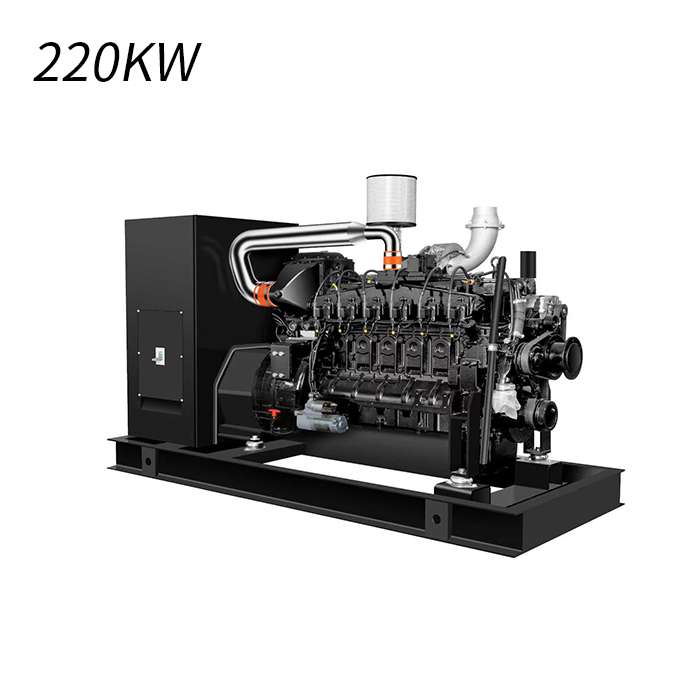
FAQ
What is the typical efficiency range for natural gas gensets?
Natural gas gensets typically achieve electrical efficiencies ranging from 35% to 45%, with some advanced models reaching up to 48% efficiency. When combined with heat recovery systems, overall energy utilization can exceed 80%. The actual efficiency depends on factors such as engine design, load factor, and operating conditions.
How does natural gas genset efficiency compare to diesel generators?
Natural gas gensets generally achieve similar or slightly higher electrical efficiency compared to diesel generators while offering superior environmental performance. The main advantage lies in cleaner combustion, reduced maintenance requirements, and the potential for heat recovery applications that can significantly improve overall energy utilization efficiency.
Can natural gas gensets maintain efficiency at partial loads?
Yes, natural gas gensets typically maintain good efficiency characteristics across a wide range of operating loads, often from 25% to 100% of rated capacity. Modern units with advanced engine management systems can optimize combustion parameters for varying load conditions, maintaining relatively high efficiency even during part-load operation.
What factors affect the long-term efficiency of natural gas gensets?
Long-term efficiency is influenced by maintenance quality, fuel quality consistency, operating conditions, and system design. Regular maintenance, proper air filtration, optimal operating temperatures, and adherence to manufacturer recommendations help maintain peak efficiency throughout the equipment's service life. The clean-burning nature of natural gas helps preserve efficiency over time compared to liquid fuel alternatives.