
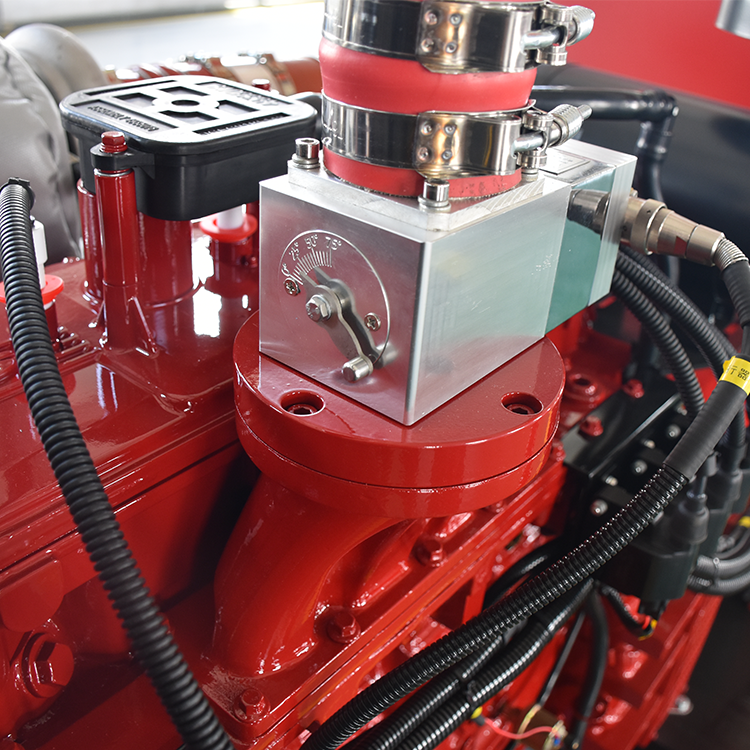
Natural gas power generators have emerged as a leading solution for reliable, efficient, and environmentally conscious power generation across industrial, commercial, and residential applications. These advanced power systems offer a compelling combination of operational benefits that make them increasingly attractive to businesses seeking sustainable energy solutions with reduced environmental impact and lower operating costs.
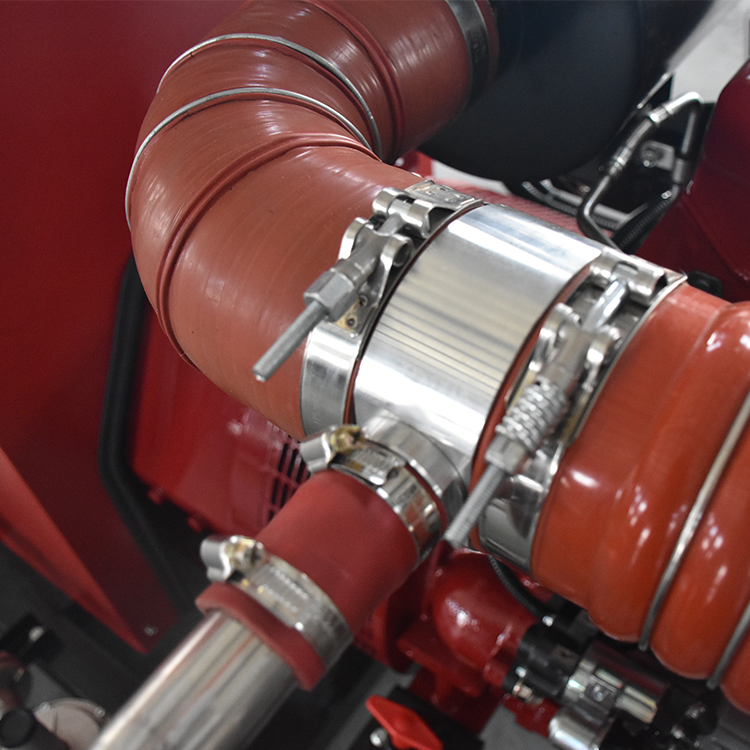
Understanding the comprehensive advantages of natural gas power generators enables informed decision-making for organizations evaluating backup power solutions or seeking to transition from traditional diesel-powered systems. From significant cost savings and cleaner emissions to enhanced reliability and operational flexibility, these generators deliver measurable benefits that directly impact both operational efficiency and environmental stewardship goals.
Environmental and Emissions Advantages
Reduced Carbon Footprint and Cleaner Combustion
A natural gas power generator produces significantly lower emissions compared to diesel or coal-powered alternatives, making it an environmentally responsible choice for modern power generation needs. Natural gas burns cleaner than other fossil fuels, resulting in reduced carbon dioxide emissions by approximately 50% compared to coal and 20-30% less than diesel generators of equivalent capacity.
The combustion process in natural gas generators produces minimal particulate matter, virtually eliminating the black smoke and soot associated with diesel systems. This clean-burning characteristic makes natural gas power generators particularly suitable for urban environments, hospitals, schools, and other facilities where air quality is a critical concern.
Additionally, natural gas generators produce lower levels of nitrogen oxides and sulfur compounds, contributing to improved local air quality and reduced acid rain formation. This environmental advantage aligns with increasingly stringent emissions regulations and corporate sustainability initiatives across various industries.
Compliance with Environmental Regulations
Modern natural gas power generators help facilities meet or exceed current and anticipated environmental standards without requiring expensive aftertreatment systems. Many regions are implementing stricter emissions requirements that favor cleaner-burning natural gas technology over traditional diesel generators.
The reduced emissions profile of natural gas generators often eliminates the need for complex exhaust treatment systems, reducing both initial capital costs and ongoing maintenance requirements. This regulatory compliance advantage provides long-term operational security as environmental standards continue to evolve.
Furthermore, organizations using natural gas power generators can more easily obtain environmental permits and approvals, particularly in environmentally sensitive areas or densely populated regions where emissions restrictions are most stringent.
Economic and Operational Cost Benefits
Lower Fuel Costs and Price Stability
Natural gas typically offers more stable and predictable fuel pricing compared to diesel, providing significant cost advantages for regular generator operation. The abundant domestic supply of natural gas in many regions has contributed to relatively stable pricing that helps organizations budget more accurately for their power generation needs.
Operating costs for a natural gas power generator are generally 30-50% lower than comparable diesel systems when factoring in fuel prices, maintenance requirements, and operational efficiency. This cost advantage becomes particularly pronounced for facilities that require extended runtime periods or frequent generator operation.
The ability to connect directly to existing natural gas infrastructure eliminates fuel storage costs, delivery charges, and the need for on-site fuel management systems. This infrastructure advantage provides both cost savings and operational simplification for many commercial and industrial facilities.
Reduced Maintenance Requirements
Natural gas power generators typically require less frequent maintenance compared to diesel systems due to cleaner combustion and reduced engine contamination. The absence of particulate matter and lower sulfur content in natural gas results in cleaner engine oil, extended service intervals, and reduced wear on engine components.
Maintenance costs are further reduced through simplified fuel system components, as natural gas generators eliminate the need for fuel filters, injection pumps, and other diesel-specific components that require regular service. This simplified design translates to lower parts costs and reduced downtime for routine maintenance.
The clean-burning nature of natural gas also extends engine life by reducing carbon buildup and corrosion, providing better long-term value and reduced total cost of ownership over the generator's operational lifespan.
Reliability and Performance Characteristics
Consistent Power Output and Grid Connectivity
A properly sized natural gas power generator delivers consistent, stable power output that meets the demanding requirements of modern electrical systems. The steady fuel supply through pipeline infrastructure ensures reliable operation without concerns about fuel quality degradation or supply interruptions that can affect diesel systems.
Natural gas generators excel in applications requiring extended runtime periods, as the continuous fuel supply eliminates refueling requirements and associated operational interruptions. This capability makes them particularly valuable for critical facilities that cannot tolerate power interruptions or facilities located in areas prone to extended utility outages.
The integration capabilities of natural gas power generators with existing electrical systems are enhanced by their stable output characteristics and reduced vibration compared to diesel systems. This stability contributes to better power quality and reduced stress on connected electrical equipment.
Quick Start Capabilities and Load Response
Modern natural gas power generators feature rapid start capabilities that enable them to reach full power output within seconds of demand, making them highly effective for emergency backup applications. The immediate availability of natural gas fuel eliminates the warm-up periods required by some alternative fuel systems.
Load acceptance characteristics of natural gas generators are particularly well-suited for applications with varying power demands, as the fuel system can quickly respond to changing load requirements without the lag time associated with liquid fuel injection systems.
The consistent fuel quality of pipeline natural gas ensures predictable generator performance across varying ambient conditions and seasonal changes, providing reliable operation regardless of external factors that might affect fuel quality in storage-dependent systems.
Installation and Infrastructure Advantages
Simplified Fuel Supply and Storage
Natural gas power generators benefit from direct connection to existing utility gas lines, eliminating the need for on-site fuel storage tanks, fuel monitoring systems, and regular fuel deliveries. This infrastructure advantage simplifies installation requirements and reduces the overall facility footprint required for power generation equipment.
The absence of fuel storage requirements eliminates associated regulatory compliance issues, environmental liability concerns, and insurance complications related to on-site fuel storage. This simplification reduces both initial project costs and ongoing administrative burdens for facility operators.
Installation flexibility is enhanced because natural gas generators can be positioned based on optimal electrical and mechanical considerations rather than being constrained by fuel storage and delivery access requirements that limit diesel generator placement options.
Reduced Space and Infrastructure Requirements
The compact installation footprint of natural gas power generator systems provides significant advantages for facilities with limited space or urban locations where real estate costs are high. Without requiring fuel storage infrastructure, these systems can be installed in smaller spaces while still providing equivalent power capacity.
Building modifications are often simplified when installing natural gas generators, as the absence of fuel storage eliminates requirements for secondary containment, vapor recovery systems, and specialized fire suppression equipment associated with liquid fuel storage.
The reduced infrastructure requirements also translate to faster installation timelines and lower construction costs, enabling organizations to implement backup power solutions more quickly and efficiently than alternative fuel systems requiring extensive site preparation.
Safety and Security Features
Enhanced Safety Profile
Natural gas power generators offer inherent safety advantages due to the properties of natural gas as a fuel source. Being lighter than air, natural gas dissipates rapidly if leaked, reducing the risk of accumulation and potential ignition compared to heavier liquid fuels that can pool and create persistent hazards.
The absence of on-site fuel storage eliminates risks associated with fuel handling, spill cleanup, and environmental contamination that can occur with diesel storage systems. This safety advantage reduces liability exposure and simplifies emergency planning for facilities using natural gas power generators.
Modern natural gas generator installations include sophisticated leak detection and automatic shutoff systems that enhance operational safety by continuously monitoring for gas leaks and automatically interrupting fuel supply if unsafe conditions are detected.
Security and Supply Reliability
Pipeline natural gas supply provides enhanced security compared to stored fuel systems, as underground pipeline infrastructure is less vulnerable to theft, vandalism, or supply disruption during emergency situations. This security advantage ensures fuel availability when generators are needed most.
The distributed nature of natural gas pipeline networks provides multiple supply paths and redundancy that enhances overall fuel security compared to point-source fuel delivery systems. This network reliability contributes to the overall dependability of natural gas power generators in critical applications.
Emergency response planning is simplified for facilities using natural gas generators, as fuel supply security eliminates the need for emergency fuel delivery coordination and fuel priority allocation that can complicate diesel generator operations during widespread emergencies.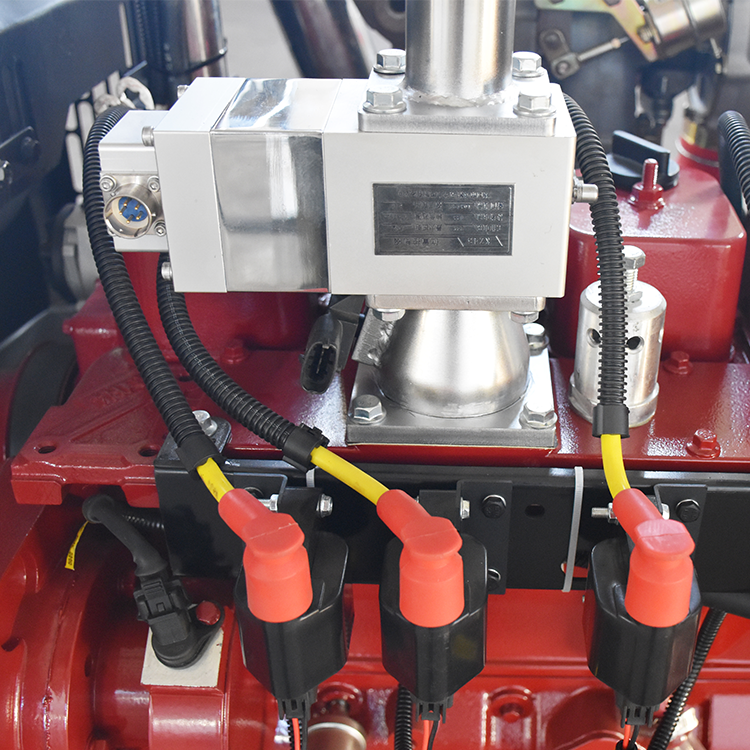
FAQ
How much can I save on operating costs with a natural gas power generator compared to diesel?
Operating cost savings with natural gas power generators typically range from 30-50% compared to diesel systems, depending on local fuel pricing and usage patterns. These savings come from lower fuel costs, reduced maintenance requirements, and elimination of fuel storage and handling expenses. The exact savings depend on your specific application, runtime hours, and regional fuel pricing, but most users see significant cost reductions within the first year of operation.
Are natural gas power generators suitable for emergency backup applications?
Yes, natural gas power generators are excellent for emergency backup applications because they provide immediate fuel availability through pipeline connections, eliminating concerns about fuel degradation or supply interruptions. They can start quickly and run indefinitely as long as the gas supply remains available. However, it's important to consider local emergency planning and whether gas lines might be affected by the same events that cause power outages in your area.
What maintenance differences should I expect with a natural gas generator versus diesel?
Natural gas power generators typically require maintenance intervals that are 50-100% longer than diesel generators due to cleaner combustion. You'll eliminate fuel filter changes, reduce oil change frequency, and experience less engine wear. However, natural gas generators require periodic inspection of gas connections, regulators, and safety systems. Overall maintenance costs are generally lower, but the service requirements are different and require technicians familiar with gas-powered systems.
Can I retrofit my existing diesel generator to run on natural gas?
Retrofitting diesel generators to natural gas is possible in some cases but requires significant engine modifications including new fuel systems, ignition systems, and engine tuning. The cost and complexity often make purchasing a purpose-built natural gas power generator more practical and reliable. Retrofit options depend on your specific diesel generator model, age, and condition. It's best to consult with a qualified technician to evaluate whether retrofit or replacement makes more economic sense for your situation.
Table of Contents
- Environmental and Emissions Advantages
- Economic and Operational Cost Benefits
- Reliability and Performance Characteristics
- Installation and Infrastructure Advantages
- Safety and Security Features
-
FAQ
- How much can I save on operating costs with a natural gas power generator compared to diesel?
- Are natural gas power generators suitable for emergency backup applications?
- What maintenance differences should I expect with a natural gas generator versus diesel?
- Can I retrofit my existing diesel generator to run on natural gas?