
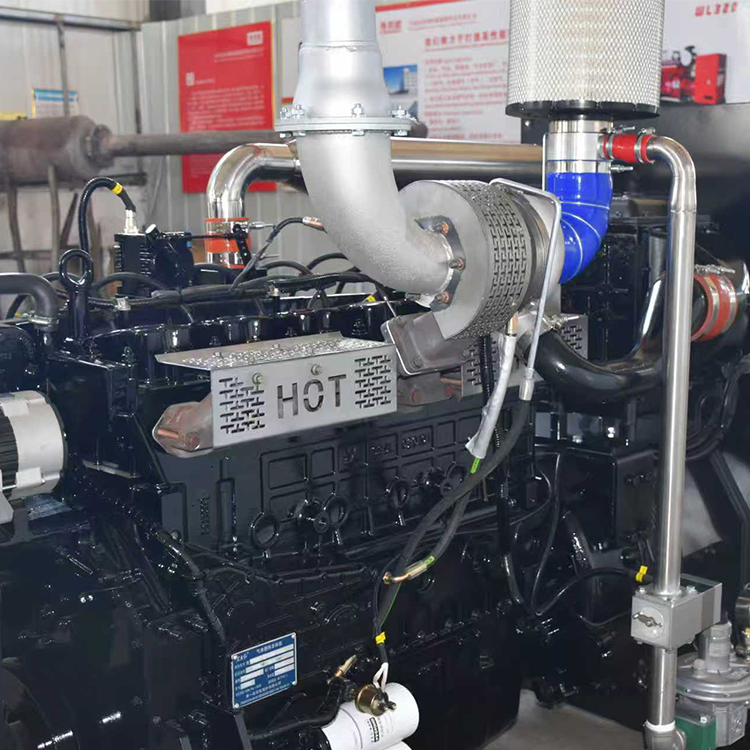
Heavy industries face mounting pressure to maintain continuous operations while managing energy costs and environmental compliance. Power reliability remains critical for manufacturing plants, mining operations, chemical facilities, and steel production centers where even brief outages can result in significant financial losses and safety hazards. A natural gas genset emerges as a compelling solution that addresses these industrial challenges through proven reliability, cost efficiency, and operational flexibility that traditional power sources often cannot match.
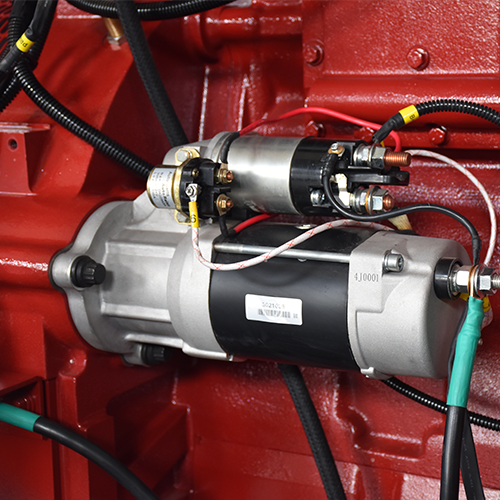
The growing adoption of natural gas genset technology in heavy industry reflects a strategic shift toward more sustainable and economical power generation. Unlike diesel generators that require frequent fuel deliveries and storage tank maintenance, natural gas genset units connect directly to existing pipeline infrastructure, eliminating fuel supply disruptions that can compromise industrial operations. This fundamental advantage, combined with lower emissions and reduced operational complexity, positions natural gas generation as a cornerstone technology for modern industrial power systems.
Operational Reliability Advantages of Natural Gas Power Generation
Continuous Fuel Supply Eliminates Delivery Dependencies
Heavy industrial facilities require uninterrupted power to maintain production schedules and protect sensitive equipment from damage caused by sudden shutdowns. A natural gas genset connects directly to municipal or industrial gas pipeline networks, ensuring continuous fuel availability without the logistical challenges associated with liquid fuel deliveries. This pipeline connection eliminates the risk of fuel shortages during extreme weather events, transportation strikes, or supply chain disruptions that commonly affect diesel-powered backup systems.
Pipeline-connected natural gas genset installations provide fuel security that diesel generators cannot match, particularly during extended outage periods. While diesel generators typically store only 24 to 72 hours of fuel on-site, natural gas systems can operate indefinitely as long as pipeline pressure remains adequate. This extended runtime capability proves essential for heavy industries that cannot afford prolonged shutdowns due to equipment cool-down requirements, product quality concerns, or safety protocols that demand powered ventilation and monitoring systems.
Reduced Maintenance Requirements Improve Uptime
Natural gas burns cleaner than diesel fuel, resulting in less carbon buildup and contamination within engine components of a natural gas genset system. This cleaner combustion process extends maintenance intervals and reduces the frequency of oil changes, filter replacements, and engine overhauls compared to diesel alternatives. Heavy industrial operations benefit from this reduced maintenance burden through improved equipment availability and lower total cost of ownership over the generator's operational lifespan.
The spark-ignition engines used in most natural gas genset units operate with lower compression ratios than diesel engines, reducing mechanical stress on internal components. This design characteristic translates to longer engine life and more predictable maintenance schedules that align better with planned industrial shutdowns. Facilities can coordinate generator maintenance with scheduled production outages, minimizing disruptions to normal operations while ensuring backup power systems remain ready for emergency activation.
Economic Benefits for Heavy Industrial Applications
Lower Fuel Costs Provide Significant Savings
Natural gas pricing typically remains more stable and lower than diesel fuel costs on a per-BTU basis, providing heavy industries with predictable energy expenses for backup power generation. A natural gas genset operating during peak demand periods or emergency situations consumes fuel at approximately 30-40% lower cost compared to equivalent diesel generators, depending on regional pricing variations. These savings become particularly significant for facilities that regularly rely on backup power during utility peak demand periods or in regions with frequent grid instability.
Industrial facilities with existing natural gas infrastructure for heating or process applications can leverage their current pipeline connections to support genset operations without additional utility connection fees. This shared infrastructure approach reduces installation costs while providing fuel cost predictability through existing natural gas supply contracts. The ability to negotiate long-term gas supply agreements further stabilizes operating expenses compared to diesel fuel purchases that fluctuate with petroleum market volatility.
Reduced Storage and Infrastructure Costs
Heavy industrial facilities installing a natural gas genset system eliminate the need for large diesel fuel storage tanks, secondary containment systems, and associated monitoring equipment required by environmental regulations. Underground storage tank installation and maintenance represents a significant capital expense that natural gas systems avoid entirely through pipeline connectivity. The absence of stored liquid fuel also eliminates groundwater contamination risks and reduces environmental liability insurance costs for industrial operators.
Natural gas genset installations require smaller equipment footprints compared to diesel systems of equivalent capacity, freeing valuable industrial real estate for production activities. The elimination of fuel delivery access requirements and tank farm safety zones allows more flexible placement of backup power equipment within existing facility layouts. This space efficiency proves particularly valuable in urban industrial areas where land costs are high and zoning restrictions limit expansion opportunities.
Environmental Compliance and Emission Advantages
Lower Emissions Support Regulatory Compliance
Heavy industries increasingly face stringent air quality regulations that limit particulate matter, nitrogen oxides, and sulfur emissions from backup power generation equipment. A natural gas genset produces significantly lower emissions across all regulated categories compared to diesel alternatives, helping industrial facilities maintain compliance with local, state, and federal environmental standards. This emission advantage becomes critical for facilities operating in non-attainment areas where additional pollution sources face severe regulatory restrictions.
The clean-burning characteristics of natural gas eliminate the black smoke and odor associated with diesel generator operation, reducing community relations concerns for industrial facilities located near residential areas. Many jurisdictions now require expensive aftertreatment systems for new diesel generators to meet current emission standards, while natural gas genset units often meet these requirements without additional emission control equipment, reducing both capital and operating costs.
Carbon Footprint Reduction Supports Sustainability Goals
Corporate sustainability initiatives increasingly emphasize carbon footprint reduction across all operational aspects, including backup power generation. Natural gas genset systems produce approximately 25% fewer carbon dioxide emissions per kilowatt-hour compared to diesel generators, supporting heavy industrial facilities in meeting greenhouse gas reduction targets. This emission advantage aligns with corporate environmental commitments while potentially qualifying facilities for carbon credit programs or green energy incentives.
The availability of renewable natural gas from biogas sources provides heavy industries with pathways to further reduce the carbon intensity of backup power generation. Facilities can potentially source renewable natural gas through their existing pipeline connections, achieving near-carbon-neutral backup power operations without equipment modifications. This flexibility supports long-term sustainability strategies while maintaining the reliability advantages of natural gas genset technology.
Technical Performance in Heavy Industrial Environments
High-Power Capacity Meets Industrial Demands
Heavy industrial facilities require backup power systems capable of supporting large motor loads, process control systems, and critical safety equipment simultaneously. Modern natural gas genset units are available in capacities ranging from several hundred kilowatts to multiple megawatts, providing sufficient power for complete facility backup or selective load support strategies. The modular design of many natural gas systems allows parallel operation of multiple units to achieve required capacity while providing redundancy that single large diesel generators cannot offer.
The constant torque characteristics of natural gas engines provide excellent performance for heavy industrial loads that require high starting currents, such as large pumps, compressors, and conveyor systems. A natural gas genset can typically handle motor starting loads equivalent to 300-400% of rated capacity, ensuring reliable startup of critical industrial equipment during power outages. This load-handling capability proves essential for facilities that cannot afford equipment damage from inadequate backup power capacity.
Cold Weather Reliability Ensures Year-Round Operation
Heavy industrial facilities in cold climates require backup power systems that start reliably regardless of ambient temperature conditions. Natural gas genset units equipped with engine block heaters and cold weather packages start more reliably than diesel generators in subzero conditions, as natural gas remains gaseous and flows freely through fuel systems without gelling or waxing problems that affect diesel fuel. This cold weather advantage proves critical for facilities that cannot afford generator starting failures during winter storm events.
Pipeline natural gas pressure typically remains stable during extreme weather events, while diesel fuel quality can be compromised by water contamination from condensation in storage tanks during temperature cycling. The consistent fuel quality of pipeline natural gas eliminates fuel-related starting problems that can plague diesel systems after extended standby periods. This reliability advantage becomes particularly important for emergency backup applications where generator failure during critical moments can result in significant industrial losses.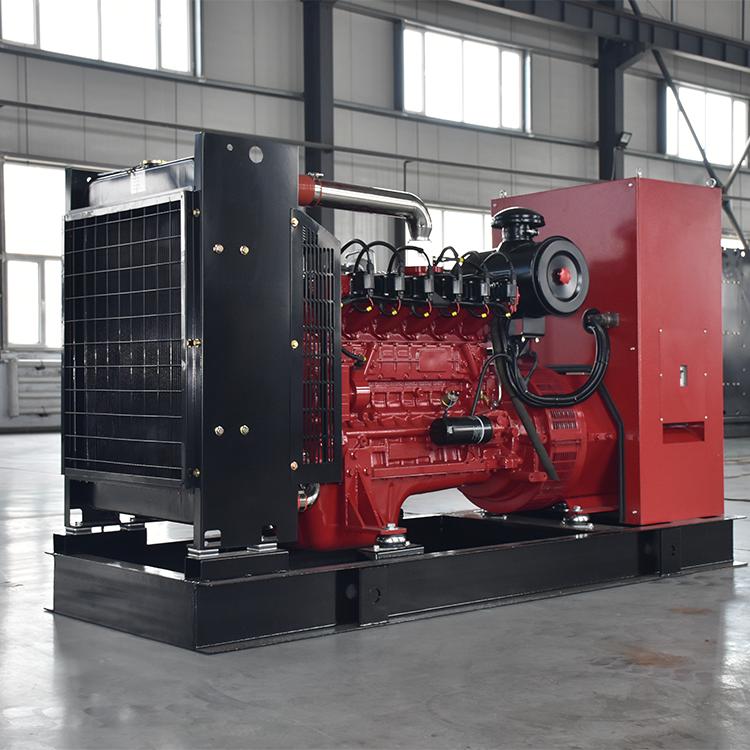
FAQ
How does natural gas genset reliability compare to diesel generators in extended outage situations?
Natural gas genset systems provide superior reliability during extended outages because they connect directly to pipeline infrastructure, eliminating fuel delivery dependencies that limit diesel generator runtime. While diesel units typically operate for 24-72 hours on stored fuel, natural gas systems can run indefinitely with adequate pipeline pressure, making them ideal for heavy industrial applications that require extended backup power duration.
What maintenance advantages do natural gas genset systems offer for heavy industrial facilities?
Natural gas genset units require less frequent maintenance than diesel alternatives due to cleaner fuel combustion that reduces engine wear and contamination. Maintenance intervals are typically 50-100% longer than diesel systems, and the absence of fuel storage eliminates tank maintenance, fuel quality monitoring, and environmental compliance issues associated with stored diesel fuel, reducing total maintenance costs for industrial operators.
Can existing industrial facilities easily retrofit natural gas genset systems?
Most heavy industrial facilities with existing natural gas infrastructure can retrofit natural gas genset systems relatively easily by connecting to current pipeline feeds. The retrofit process typically requires less space than diesel systems, eliminates fuel storage requirements, and can often utilize existing electrical switchgear with modifications, making natural gas conversion an attractive option for facilities upgrading aging diesel backup power systems.
What capacity ranges are available for heavy industrial natural gas genset applications?
Natural gas genset systems are available in capacities from 100 kW to several megawatts, with multiple units often paralleled to achieve higher capacities while providing redundancy. Heavy industrial facilities can typically find natural gas solutions matching their exact power requirements, whether for partial load backup, complete facility support, or peak shaving applications that reduce utility demand charges during high-cost periods.
Table of Contents
- Operational Reliability Advantages of Natural Gas Power Generation
- Economic Benefits for Heavy Industrial Applications
- Environmental Compliance and Emission Advantages
- Technical Performance in Heavy Industrial Environments
-
FAQ
- How does natural gas genset reliability compare to diesel generators in extended outage situations?
- What maintenance advantages do natural gas genset systems offer for heavy industrial facilities?
- Can existing industrial facilities easily retrofit natural gas genset systems?
- What capacity ranges are available for heavy industrial natural gas genset applications?