
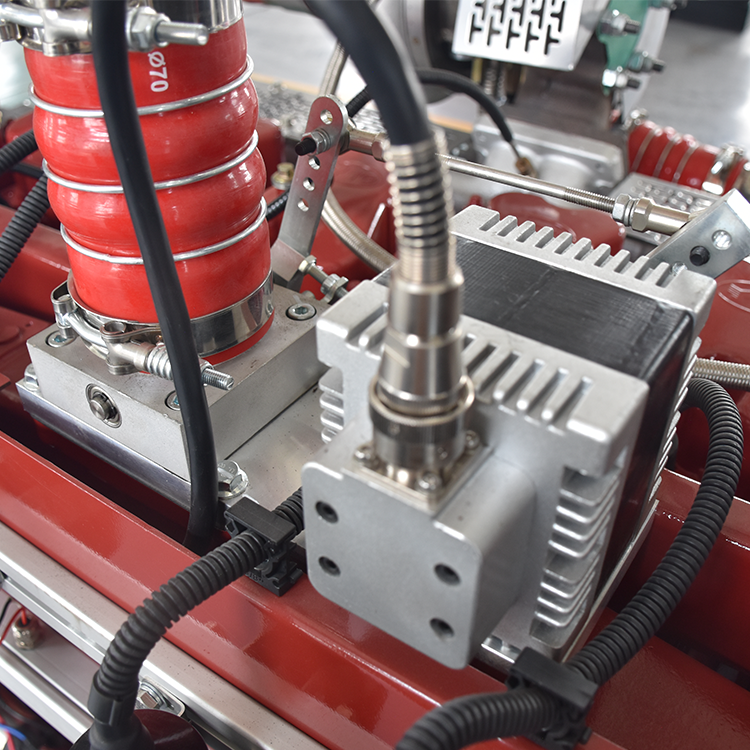
Selecting the right natural gas genset for your facility requires careful consideration of multiple technical and operational factors that directly impact performance, reliability, and long-term operational costs. The process involves evaluating your facility's specific power requirements, gas supply infrastructure, environmental conditions, and regulatory compliance needs to ensure optimal natural gas genset performance and efficiency.
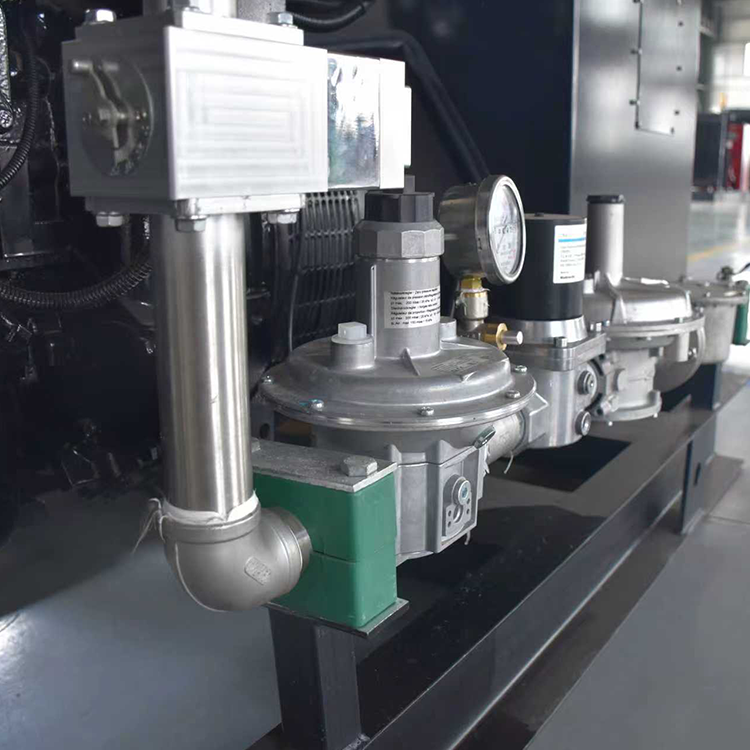
Understanding the selection criteria for a natural gas genset becomes crucial when facilities need reliable backup power or continuous power generation with reduced emissions and operational flexibility. The right natural gas genset selection process demands a systematic approach that balances immediate power needs with future scalability requirements while considering fuel availability, maintenance accessibility, and total cost of ownership throughout the equipment's operational lifecycle.
Power Requirements Assessment and Load Analysis
Determining Critical Load Capacity
The foundation of selecting an appropriate natural gas genset begins with conducting a comprehensive power requirements assessment that identifies both critical and non-critical electrical loads within your facility. This analysis should account for starting loads, continuous operating loads, and peak demand scenarios to ensure your natural gas genset can handle maximum operational requirements without compromising performance or reliability.
Critical load identification involves cataloging essential equipment, lighting systems, HVAC requirements, and production machinery that must remain operational during power outages or primary power system maintenance. Your natural gas genset capacity should accommodate these critical loads with adequate reserve capacity typically ranging from 20% to 25% above calculated maximum demand to account for future expansion and unexpected load increases.
Load analysis must also consider the power factor characteristics of your electrical equipment, as motor-driven machinery and electronic loads can significantly impact the actual power requirements from your natural gas genset. Understanding reactive power demands ensures proper sizing and prevents operational issues that could arise from inadequate generator capacity during real-world operating conditions.
Evaluating Voltage and Frequency Requirements
Voltage compatibility represents a critical selection factor when choosing a natural gas genset, as different facilities operate with varying electrical distribution systems requiring specific output characteristics. Commercial facilities typically require 480V three-phase power, while industrial operations may need higher voltage outputs or specialized configurations that your natural gas genset must be designed to provide reliably.
Frequency stability becomes particularly important for sensitive electronic equipment and precision manufacturing processes that depend on consistent 50Hz or 60Hz power supply. Your selected natural gas genset should incorporate advanced governor systems and voltage regulation technology to maintain tight frequency and voltage tolerances even under varying load conditions and environmental operating parameters.
Power quality considerations extend beyond basic voltage and frequency requirements to include harmonic distortion limits, transient response characteristics, and voltage regulation accuracy. Modern facilities with computer-controlled systems and variable frequency drives require natural gas genset solutions that provide clean, stable power output with minimal harmonic content to prevent equipment malfunctions and operational disruptions.
Fuel Supply Infrastructure and Gas Quality Considerations
Natural Gas Supply Pressure and Availability
Gas supply infrastructure evaluation forms a cornerstone of natural gas genset selection, as adequate fuel pressure and flow capacity directly impact generator performance and operational reliability. Most natural gas genset systems require minimum inlet pressures between 5-7 inches of water column, though specific requirements vary based on engine design and power output characteristics of the selected generator configuration.
Supply pressure consistency becomes critical during peak demand periods when multiple natural gas appliances operate simultaneously within your facility or local distribution network. Your natural gas genset installation may require dedicated pressure regulation equipment or fuel gas conditioning systems to ensure consistent fuel delivery pressure regardless of fluctuations in the utility gas distribution system.
Gas flow capacity calculations must account for maximum fuel consumption rates at full load operation plus any other natural gas consuming equipment operating concurrently. A properly sized natural gas genset requires adequate fuel supply capacity with appropriate safety margins to prevent fuel starvation conditions that could cause engine damage or operational failures during critical power generation periods.
Gas Quality Standards and Conditioning Requirements
Natural gas quality specifications significantly influence natural gas genset engine longevity and maintenance requirements, as contaminants in the fuel supply can cause premature component wear, reduced efficiency, and increased maintenance costs. Pipeline natural gas typically meets most generator fuel quality requirements, but facilities using alternative gas sources may need additional gas conditioning equipment.
Moisture content, hydrogen sulfide levels, and particulate contamination represent primary gas quality concerns that can affect natural gas genset operation and component life expectancy. Excessive moisture can cause corrosion in fuel system components, while hydrogen sulfide concentrations above recommended limits can lead to accelerated engine wear and increased maintenance frequency requirements.
Gas heating value consistency affects natural gas genset power output and fuel consumption characteristics, particularly important for facilities requiring precise power generation capacity. Variations in gas composition and heating value may require engine management system adjustments or fuel conditioning equipment to maintain optimal performance and emissions compliance throughout varying seasonal gas supply conditions.
Environmental and Installation Considerations
Climate and Operating Environment Factors
Environmental operating conditions profoundly impact natural gas genset selection requirements, as extreme temperatures, humidity levels, and altitude variations affect engine performance, cooling system capacity, and overall operational reliability. High ambient temperatures reduce natural gas genset power output due to decreased air density, requiring capacity adjustments or enhanced cooling system specifications for optimal performance.
Cold climate operations present unique challenges for natural gas genset installations, including fuel system freeze protection, battery heating requirements, and extended warm-up periods necessary for optimal engine operation. Arctic or sub-freezing installations may require specialized cold weather packages including engine block heaters, battery warmers, and insulated enclosures to ensure reliable starting and operation.
Altitude considerations become significant for facilities located above sea level, as reduced air density affects natural gas genset combustion efficiency and power output capabilities. Generators operating above 1000 feet elevation typically require power derating or turbocharging systems to maintain rated capacity and emissions compliance requirements in reduced atmospheric pressure conditions.
Noise Control and Emissions Compliance
Noise emission requirements vary significantly between urban, industrial, and residential installation environments, influencing natural gas genset enclosure specifications and acoustic treatment requirements. Local noise ordinances may dictate maximum permissible sound levels during different operating periods, requiring sound-attenuated enclosures or specialized acoustic treatment to achieve compliance targets.
Air quality regulations and emissions standards represent increasingly important selection criteria for natural gas genset installations, particularly in areas with strict environmental compliance requirements. Clean-burning natural gas engines typically produce lower NOx, CO, and particulate emissions compared to diesel alternatives, but specific emissions certification may be required for permitted installations.
Exhaust system design and installation requirements must accommodate both performance and regulatory compliance needs while considering building codes, fire safety clearances, and environmental protection requirements. Proper exhaust system sizing and routing ensures optimal natural gas genset performance while meeting all applicable safety and emissions regulations for your specific installation environment.
Maintenance Requirements and Operational Considerations
Maintenance Accessibility and Service Support
Maintenance accessibility significantly influences long-term natural gas genset operational costs and reliability, as routine service requirements include oil changes, spark plug replacement, air filter maintenance, and cooling system servicing. Generator installations should provide adequate clearance for service personnel and equipment access while maintaining required safety clearances from building structures and other equipment.
Local service support availability becomes crucial for minimizing downtime during scheduled maintenance and emergency repair situations, particularly for critical power applications where extended outages could result in significant operational or financial consequences. Evaluating manufacturer service networks and authorized dealer support capabilities helps ensure timely maintenance and parts availability throughout the natural gas genset operational lifecycle.
Preventive maintenance scheduling requirements vary based on natural gas genset design, operating hours, and environmental conditions, with typical service intervals ranging from 250 to 500 operating hours depending on engine technology and application severity. Understanding maintenance requirements during the selection process enables accurate budgeting for ongoing operational costs and helps optimize equipment selection based on total cost of ownership considerations.
Control Systems and Monitoring Capabilities
Modern natural gas genset control systems provide sophisticated monitoring and diagnostic capabilities that enhance operational reliability while simplifying maintenance management and troubleshooting procedures. Advanced control panels offer real-time engine parameter monitoring, automatic start/stop sequences, and comprehensive alarm systems that protect equipment and notify operators of potential issues before they become critical failures.
Remote monitoring capabilities enable facility managers to track natural gas genset performance and operational status from centralized locations, reducing the need for on-site personnel while providing early warning of maintenance requirements or operational anomalies. Integration with building management systems or SCADA networks allows coordinated operation with other facility systems and automated load management strategies.
Data logging and trending capabilities built into modern natural gas genset control systems provide valuable information for optimizing maintenance schedules, identifying performance trends, and documenting regulatory compliance requirements. Historical operating data helps facilities plan maintenance activities, budget replacement costs, and optimize natural gas genset utilization patterns for maximum efficiency and reliability.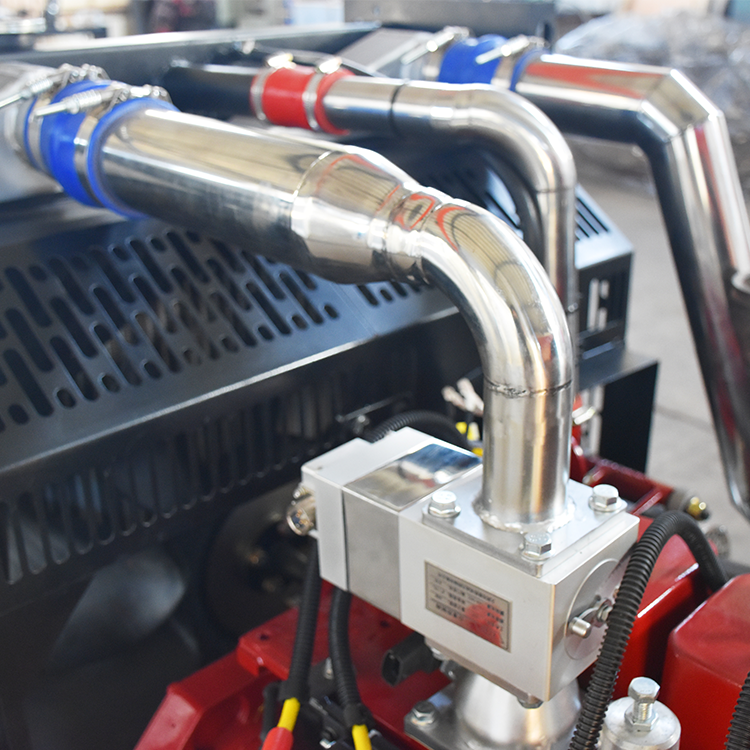
FAQ
What size natural gas genset do I need for my facility?
The appropriate natural gas genset size depends on your facility's total electrical load requirements plus a 20-25% capacity margin for safety and future expansion. Conduct a comprehensive load analysis including all critical equipment, lighting, HVAC systems, and production machinery to determine peak demand. Consider starting loads for motors and equipment, as these can be significantly higher than running loads and may require additional generator capacity.
Can a natural gas genset operate during utility gas supply interruptions?
Natural gas genset operation during utility gas interruptions depends on your fuel supply configuration and backup fuel arrangements. Units connected only to utility natural gas lines cannot operate during gas service disruptions. However, facilities with on-site propane storage, compressed natural gas backup systems, or dual-fuel capabilities can continue operation during utility gas outages, providing true backup power independence.
How often does a natural gas genset require maintenance?
Natural gas genset maintenance intervals typically range from 250 to 500 operating hours or annually, whichever occurs first. Standby generators used infrequently may follow calendar-based maintenance schedules, while units operating continuously require more frequent service based on runtime hours. Maintenance requirements include oil and filter changes, spark plug replacement, cooling system service, and comprehensive system inspections to ensure reliable operation.
What are the installation requirements for a natural gas genset?
Natural gas genset installation requirements include adequate concrete pad foundations, proper electrical connections to facility distribution systems, natural gas supply piping with appropriate pressure regulation, exhaust system routing with required clearances, and compliance with local building codes and fire safety regulations. Installation must also accommodate maintenance access clearances and may require sound attenuation measures depending on local noise ordinances and proximity to occupied areas.