
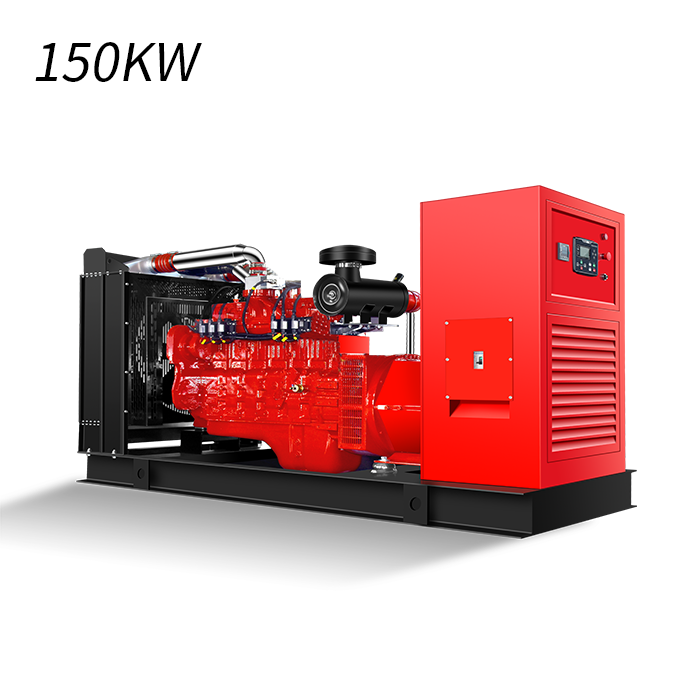
Large industrial plants face constant pressure to optimize their power generation systems while managing operational costs and environmental compliance requirements. Among the various power generation solutions available today, a gas genset emerges as one of the most compelling options for facilities requiring substantial and reliable electricity supply. The unique combination of operational efficiency, fuel flexibility, and environmental advantages makes gas-powered generation systems increasingly attractive to plant managers and energy directors across heavy industries.
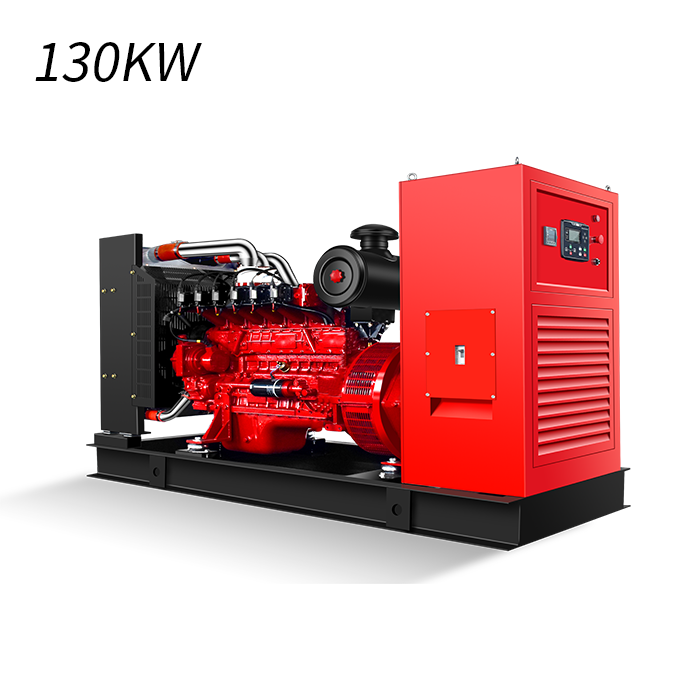
The efficiency advantages of a gas genset extend beyond simple fuel consumption metrics to encompass total cost of ownership, maintenance requirements, and operational flexibility. Modern gas generator sets leverage advanced combustion technologies and sophisticated control systems to deliver power output that meets the demanding requirements of large-scale industrial operations. Understanding why these systems provide superior efficiency involves examining their fundamental design principles, operational characteristics, and the specific benefits they deliver in high-demand industrial environments.
Fuel Efficiency and Cost Advantages
Superior Energy Conversion Rates
The fundamental reason why a gas genset delivers exceptional efficiency lies in its advanced combustion process and energy conversion capabilities. Natural gas burns cleaner and more completely than diesel or heavy fuel oil, resulting in higher thermal efficiency rates that typically range from 35% to 45% in modern industrial units. This superior energy conversion means that more of the fuel's potential energy is transformed into usable electricity rather than being lost as waste heat.
Gas generator sets achieve these high efficiency levels through precise fuel-air mixture control and optimized combustion chamber designs. The homogeneous nature of natural gas allows for more complete combustion compared to liquid fuels, reducing energy losses and maximizing power output per unit of fuel consumed. Additionally, the consistent quality and composition of natural gas eliminates the efficiency variations often encountered with diesel fuel quality fluctuations.
The efficiency gains become even more pronounced in continuous operation scenarios typical of large industrial plants. Unlike diesel gensets that may experience efficiency degradation during extended runtime periods, a well-maintained gas genset maintains consistent performance levels throughout prolonged operational cycles, making it ideal for baseload power generation in manufacturing facilities.
Long-Term Fuel Cost Stability
Natural gas pricing historically demonstrates greater stability compared to petroleum-based fuels, providing large industrial plants with more predictable energy costs for long-term budget planning. This price stability stems from diverse supply sources, including domestic production, pipeline imports, and increasingly available liquefied natural gas options that create competitive market conditions.
The cost advantages of operating a gas genset become particularly evident when analyzing total fuel expenditure over multi-year operational periods. Industrial facilities that operate generator sets for extended hours annually often realize significant savings due to natural gas's lower per-BTU cost compared to diesel fuel. These savings compound over time, especially for plants requiring continuous or frequent backup power generation.
Furthermore, many regions offer favorable utility rates for natural gas consumption in industrial applications, including interruptible service agreements that can provide substantial cost reductions for facilities with flexible operational schedules. These rate structures make gas genset operations even more economically attractive for large industrial plants with sophisticated energy management capabilities.
Operational Efficiency and Performance Benefits
Reduced Maintenance Requirements
A gas genset typically requires significantly less maintenance compared to diesel-powered alternatives, contributing to improved overall operational efficiency for large industrial facilities. Natural gas burns much cleaner than diesel fuel, producing fewer combustion byproducts that can contaminate engine oil, clog filters, or cause carbon buildup on engine components. This cleaner combustion process extends maintenance intervals and reduces the frequency of required service operations.
The reduced maintenance burden translates directly into lower operational costs and improved equipment availability for industrial plants. Oil changes can often be extended to 500-1000 hour intervals with gas generator sets, compared to 250-500 hours typical for diesel units operating under similar conditions. Additionally, air filter replacement frequency decreases due to the absence of particulate matter in natural gas fuel supply systems.
Spark plug replacement intervals in gas genset applications typically extend far beyond those required for diesel injection systems, while the absence of fuel injection pumps, fuel filters, and water separation systems eliminates several potential maintenance points. This simplified maintenance profile allows plant maintenance teams to focus resources on other critical equipment while ensuring reliable backup power availability.
Enhanced Starting and Load Response Characteristics
Gas generator sets demonstrate superior starting reliability and load response characteristics that prove especially valuable for large industrial plants requiring immediate backup power activation. Natural gas remains in gaseous form at normal operating temperatures, eliminating cold-weather starting issues commonly encountered with diesel fuel systems that may experience gelling or viscosity problems.
The rapid load acceptance capability of a gas genset enables seamless integration with automatic transfer switch systems that monitor utility power quality and initiate backup power within seconds of detecting outages or voltage irregularities. This quick response capability protects sensitive industrial processes from power quality issues that could result in product defects, equipment damage, or production line shutdowns.
Modern gas generator sets can typically accept full rated load within 10-15 seconds of startup, compared to 30-60 seconds often required for diesel units to warm up and stabilize. This rapid response capability proves crucial for industrial applications where even brief power interruptions can result in significant financial losses or safety concerns.
Environmental Compliance and Sustainability
Lower Emissions Profile
Environmental regulations increasingly impact large industrial facilities, making the lower emissions profile of a gas genset a significant operational advantage. Natural gas combustion produces substantially lower levels of nitrogen oxides, sulfur compounds, and particulate matter compared to diesel fuel, helping industrial plants maintain compliance with air quality regulations without requiring expensive exhaust aftertreatment systems.
The cleaner combustion characteristics of gas generator sets often allow facilities to avoid the complexity and cost of selective catalytic reduction systems, diesel particulate filters, or other emissions control technologies required for diesel gensets in many jurisdictions. This simplified emissions profile reduces both initial capital costs and ongoing maintenance expenses associated with aftertreatment system upkeep.
Carbon dioxide emissions from gas genset operations are typically 20-25% lower per unit of electricity generated compared to diesel alternatives, supporting corporate sustainability initiatives and potentially qualifying for carbon credit programs. Many large industrial facilities incorporate these emission reductions into their environmental impact reporting and sustainability metrics.
Noise Reduction Benefits
Gas generator sets generally operate at lower noise levels than comparable diesel units, providing additional benefits for industrial plants located in areas with noise ordinances or community relations concerns. The smoother combustion characteristics of natural gas result in reduced engine vibration and acoustic emissions, often eliminating the need for expensive sound attenuation enclosures.
This noise reduction advantage becomes particularly valuable for facilities operating backup power systems during regular testing cycles or extended utility outages. Lower noise levels help maintain positive community relationships and reduce the likelihood of noise-related regulatory issues that could limit operational flexibility.
The reduced vibration characteristics of gas genset operation also contribute to longer equipment life and reduced structural loading on generator mounting systems, providing additional long-term operational benefits for large industrial installations.
Integration Flexibility and Fuel Supply Options
Multiple Fuel Source Compatibility
Modern gas genset designs offer exceptional fuel flexibility that proves particularly valuable for large industrial plants with access to multiple gas sources or varying fuel quality conditions. Many units can operate on natural gas, propane, biogas, or landfill gas without requiring significant modifications, providing operational flexibility and potential cost optimization opportunities.
This fuel flexibility enables industrial facilities to optimize their energy sourcing strategies based on availability, pricing, and sustainability objectives. Plants with access to renewable biogas sources can significantly reduce their carbon footprint while maintaining reliable backup power capabilities. Similarly, facilities in areas with seasonal natural gas pricing variations can potentially switch between fuel sources to minimize operational costs.
Dual-fuel gas genset configurations provide additional operational security by maintaining diesel backup capability while primarily operating on natural gas. This design approach combines the efficiency advantages of gas operation with the fuel storage security that diesel systems provide, making it particularly attractive for critical industrial applications.
Utility Grid Integration Capabilities
Advanced gas generator sets can integrate seamlessly with utility grid systems, enabling large industrial plants to participate in demand response programs, peak shaving initiatives, and potentially grid stabilization services. The rapid start capability and precise load control characteristics of gas genset systems make them well-suited for these grid interaction applications.
Peak shaving applications become economically attractive when utility demand charges represent a significant portion of electricity costs for large industrial facilities. A properly sized gas genset can reduce peak demand charges by operating during high-cost periods while providing the flexibility to shut down during low-cost periods when grid power becomes more economical.
Some advanced gas generator sets can operate in parallel with utility power, providing power factor correction, voltage support, and harmonic filtering benefits that improve overall power quality for sensitive industrial processes. These grid support capabilities can generate additional revenue streams while providing enhanced power reliability for critical manufacturing operations.
FAQ
How does the efficiency of a gas genset compare to diesel generators in large industrial applications?
A gas genset typically achieves 35-45% thermal efficiency compared to 30-40% for diesel generators, with additional benefits including lower maintenance requirements, reduced emissions, and more stable fuel costs. The efficiency advantage becomes more pronounced in continuous operation scenarios where gas units maintain consistent performance while diesel units may experience degradation over extended runtime periods.
What are the main fuel supply considerations for implementing gas gensets in industrial facilities?
Gas genset installation requires reliable natural gas supply infrastructure, including appropriate pressure regulation, flow capacity, and backup supply arrangements. Most industrial installations require medium-pressure gas service with pressure regulation equipment, while larger facilities may need dedicated gas meter installations and potentially on-site gas storage for enhanced supply security during utility interruptions.
Can a gas genset provide the same power reliability as diesel systems for critical industrial processes?
Modern gas gensets provide equal or superior reliability compared to diesel systems when properly designed and maintained, with advantages including faster starting times, better cold-weather performance, and reduced maintenance downtime. The key reliability factors include redundant fuel supply arrangements, proper sizing for load requirements, and regular preventive maintenance programs tailored to gas engine characteristics.
What regulatory and environmental benefits do gas gensets offer for large industrial plants?
Gas gensets typically comply with strict emissions regulations without requiring expensive aftertreatment systems, produce 20-25% lower CO2 emissions than diesel alternatives, and generate significantly less noise pollution. These characteristics help industrial facilities maintain environmental compliance, support sustainability initiatives, and often qualify for favorable regulatory treatment in air quality management districts.
Table of Contents
- Fuel Efficiency and Cost Advantages
- Operational Efficiency and Performance Benefits
- Environmental Compliance and Sustainability
- Integration Flexibility and Fuel Supply Options
-
FAQ
- How does the efficiency of a gas genset compare to diesel generators in large industrial applications?
- What are the main fuel supply considerations for implementing gas gensets in industrial facilities?
- Can a gas genset provide the same power reliability as diesel systems for critical industrial processes?
- What regulatory and environmental benefits do gas gensets offer for large industrial plants?