
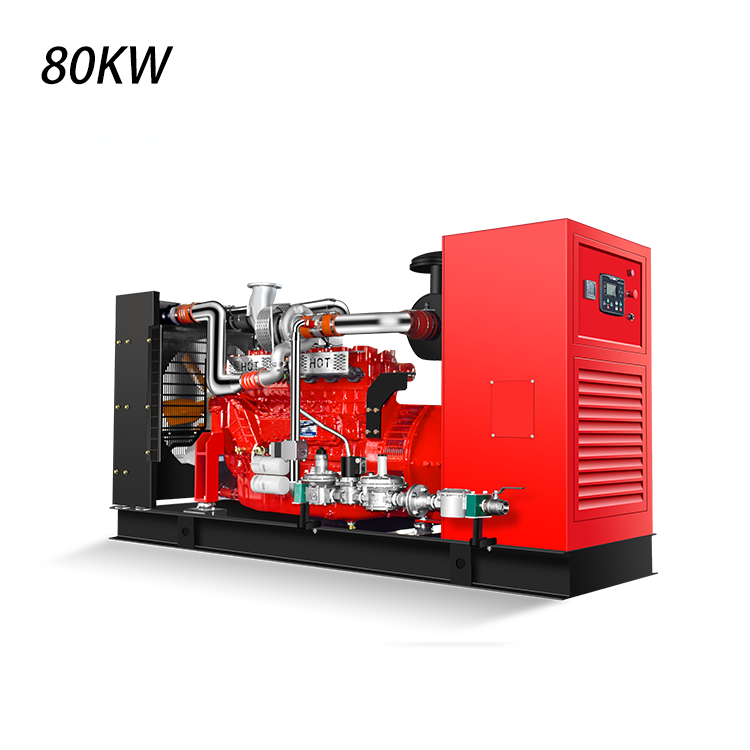
Industrial operations across multiple sectors rely heavily on consistent, reliable power generation to maintain critical processes and ensure operational continuity. A gas generator has emerged as one of the most versatile and efficient solutions for meeting diverse industrial power requirements, offering clean-burning energy with exceptional reliability. These sophisticated power systems convert natural gas, propane, or other gaseous fuels into electricity, providing an environmentally conscious alternative to traditional diesel generators while delivering superior performance across various industrial applications.
The adoption of gas-powered generation systems has accelerated significantly in recent years, driven by stringent environmental regulations, economic advantages, and technological advancements that enhance operational efficiency. Industrial facilities worldwide recognize that investing in high-quality gas generation equipment represents a strategic decision that impacts both immediate operational costs and long-term sustainability goals. Understanding the common applications of these systems across various industrial sectors helps organizations make informed decisions about their power generation infrastructure.
Manufacturing and Production Facilities
Continuous Production Operations
Manufacturing facilities operating around the clock require uninterrupted power supply to maintain production schedules and prevent costly downtime. A gas generator provides the reliability needed for continuous manufacturing processes, ensuring that assembly lines, automated machinery, and quality control systems operate without interruption. These facilities often integrate multiple gas generation units to create redundant power systems that can handle varying load demands throughout different production cycles.
The automotive industry exemplifies how gas generators support continuous production operations, where assembly lines cannot afford power interruptions that could damage partially completed vehicles or disrupt just-in-time manufacturing processes. Electronics manufacturing facilities similarly depend on stable power delivery to maintain clean room environments and operate sensitive equipment that requires precise voltage regulation. Food processing plants utilize gas generation systems to ensure refrigeration systems, packaging equipment, and safety monitoring systems remain operational during utility outages.
Peak Load Management
Industrial manufacturers frequently implement gas generator systems to manage peak electrical demand periods and reduce utility costs through strategic load management. These systems activate automatically during high-demand periods, helping facilities avoid expensive peak demand charges while maintaining optimal production efficiency. Smart control systems monitor electrical loads and automatically engage gas generation equipment when utility rates reach predetermined thresholds or when grid demand threatens power stability.
Textile manufacturing operations benefit significantly from peak load management capabilities, as their equipment often experiences varying power demands throughout different production phases. Chemical processing facilities use gas generators to handle sudden increases in electrical demand during batch processing operations, ensuring that critical reactions maintain proper temperature and pressure conditions. Steel production facilities integrate gas generation systems to support electric arc furnaces during peak melting periods while minimizing grid dependency.
Data Centers and Information Technology Infrastructure
Mission-Critical Backup Power
Data centers represent one of the most demanding applications for gas generator systems, where even brief power interruptions can result in significant financial losses and service disruptions. These facilities require backup power systems that can activate within seconds and sustain full operational loads for extended periods. Gas generators provide the rapid response and extended runtime capabilities necessary to protect valuable data and maintain continuous service delivery for cloud computing, financial transactions, and communication networks.
Modern hyperscale data centers increasingly rely on gas generator technology to support their massive power requirements while meeting environmental sustainability commitments. These facilities implement sophisticated power management systems that integrate gas generation equipment with uninterruptible power supplies and energy storage systems. Colocation facilities utilize gas generators to provide reliable backup power for multiple client organizations, ensuring service level agreements are maintained even during extended utility outages.
Environmental Compliance and Efficiency
Information technology facilities face increasing pressure to reduce carbon footprints and comply with environmental regulations while maintaining exceptional reliability standards. Gas generators offer superior emissions profiles compared to diesel alternatives, producing significantly lower particulate matter, nitrogen oxides, and carbon emissions. This environmental advantage allows data centers to meet sustainability goals while maintaining the power reliability required for mission-critical operations.
Cloud service providers implement gas generation systems as part of comprehensive environmental stewardship programs that balance operational reliability with ecological responsibility. These organizations often pursue carbon-neutral operations by combining gas generators with renewable energy sources and carbon offset programs. Telecommunications companies utilize clean-burning gas generators to power network infrastructure while complying with environmental regulations in urban areas where emission standards are particularly stringent.
Healthcare and Medical Facilities
Emergency Power for Life-Critical Systems
Healthcare facilities require absolute power reliability to protect patient safety and maintain life-support systems during utility outages. A gas generator system in medical applications must meet stringent regulatory requirements while providing instantaneous power transfer capabilities. Hospitals depend on these systems to operate intensive care units, surgical suites, diagnostic equipment, and environmental control systems that maintain sterile conditions and proper temperature regulation throughout medical facilities.
Emergency departments utilize gas generator backup power to ensure that trauma bays, imaging equipment, and laboratory systems remain operational during critical situations. Surgical facilities require uninterrupted power for operating room lighting, anesthesia equipment, and monitoring devices that support patient safety during procedures. Long-term care facilities implement gas generation systems to maintain power for elevators, communication systems, and medical equipment that supports resident care and safety.
Regulatory Compliance and Testing Requirements
Medical facilities must comply with comprehensive regulatory standards that govern backup power systems, including regular testing protocols and maintenance requirements. Gas generator systems offer advantages in meeting these compliance requirements through reliable starting characteristics, reduced maintenance intervals, and cleaner emissions that support indoor air quality standards. Healthcare organizations benefit from the simplified testing procedures and reduced environmental impact associated with gas-powered generation equipment.
Pharmaceutical manufacturing facilities utilize gas generators to maintain controlled environments for drug production and storage, ensuring that temperature-sensitive medications remain viable during power interruptions. Research laboratories depend on gas generation systems to protect valuable samples, maintain climate-controlled storage conditions, and operate critical research equipment. Veterinary hospitals and animal care facilities implement gas generators to support life-support equipment and maintain environmental controls for patient care areas.
Food Processing and Cold Storage Industries
Refrigeration and Cold Chain Protection
Food processing and cold storage facilities face significant financial risks when power outages threaten refrigeration systems and compromise product integrity. A gas generator provides the immediate backup power necessary to maintain cold chain requirements and prevent spoilage of valuable inventory. These facilities often operate gas generation systems in parallel with existing electrical infrastructure to ensure seamless power transfer and maintain consistent temperatures throughout refrigerated storage areas.
Frozen food distribution centers implement comprehensive gas generator systems that can sustain full facility loads for extended periods, protecting millions of dollars in inventory from spoilage. Dairy processing facilities utilize gas generation equipment to maintain pasteurization systems, cooling equipment, and packaging operations that require continuous power for food safety compliance. Meat processing plants depend on gas generators to operate refrigeration systems, processing equipment, and safety monitoring systems that ensure product quality and regulatory compliance.
Production Line Continuity
Food processing operations require uninterrupted power to maintain production schedules and prevent contamination risks associated with equipment shutdown and restart procedures. Gas generator systems support complex production lines that include mixing equipment, packaging machinery, and quality control systems. These facilities benefit from the rapid response capabilities of gas generation equipment that minimizes production disruptions and maintains product quality standards.
Beverage manufacturing facilities integrate gas generators to support bottling lines, carbonation systems, and quality testing equipment that operates continuously during production periods. Bakery operations utilize gas generation systems to maintain oven operations, dough preparation equipment, and climate control systems that ensure consistent product quality. Seafood processing facilities implement gas generators to support ice-making equipment, blast freezing systems, and processing machinery that maintains product freshness and safety.
Oil and Gas Industry Applications
Remote Site Power Generation
Oil and gas operations frequently occur in remote locations where utility grid connections are unavailable or unreliable, making gas generator systems essential for powering drilling equipment, processing facilities, and safety systems. These applications often utilize wellhead gas or pipeline gas as fuel sources, creating self-contained power generation systems that support exploration and production activities. Remote compressor stations depend on gas generators to maintain pipeline pressure and ensure continuous product transportation through distribution networks.
Offshore drilling platforms implement gas generator systems to power drilling equipment, living quarters, and safety systems while maintaining operational independence from shore-based power sources. Pipeline monitoring stations utilize gas generation equipment to operate telemetry systems, valve controls, and emergency shutdown equipment that ensures pipeline safety and regulatory compliance. Natural gas processing facilities integrate gas generators to support separation equipment, compression systems, and control instrumentation that maintains product quality and operational efficiency.
Process Critical Applications
Petrochemical facilities require reliable power generation to support complex chemical processes that cannot tolerate power interruptions without risking safety hazards or product contamination. Gas generator systems provide the consistent power delivery necessary for process control systems, safety monitoring equipment, and emergency response systems. These facilities often implement multiple gas generation units configured for both normal operations and emergency backup scenarios.
Refineries utilize gas generation systems to support catalytic cracking units, distillation columns, and environmental control systems that require uninterrupted power for safe operations. Chemical processing plants depend on gas generators to maintain reactor cooling systems, pressure control equipment, and emergency shutdown systems that protect personnel and environmental safety. Tank farms implement gas generation equipment to operate pump systems, leak detection equipment, and vapor recovery systems that ensure safe product storage and handling.
Wastewater Treatment and Utilities
Critical Infrastructure Protection
Municipal wastewater treatment facilities represent critical infrastructure that requires continuous operation to protect public health and environmental safety. A gas generator system ensures that treatment processes continue during utility outages, preventing the discharge of untreated wastewater and maintaining compliance with environmental regulations. These facilities often integrate gas generation equipment with existing electrical systems to provide seamless backup power for pumping stations, aeration systems, and control instrumentation.
Water treatment plants utilize gas generators to maintain disinfection systems, filtration equipment, and distribution pumps that ensure safe drinking water delivery to communities. Sewage pump stations implement gas generation systems to prevent sanitary sewer overflows during power outages that could contaminate waterways and create public health hazards. Industrial wastewater treatment facilities depend on gas generators to operate specialized treatment equipment that removes contaminants and meets discharge permit requirements.
Renewable Energy Integration
Utility companies increasingly integrate gas generator systems with renewable energy installations to provide grid stability and backup power capabilities. These hybrid systems combine solar panels, wind turbines, and gas generation equipment to create resilient power generation networks that can adapt to varying demand and weather conditions. Gas generators provide the rapid response capabilities necessary to balance renewable energy intermittency and maintain grid stability during peak demand periods.
Microgrid applications utilize gas generation systems as anchor power sources that provide frequency regulation and voltage stability for distributed energy networks. Community resilience programs implement gas generators as part of emergency preparedness initiatives that maintain critical services during natural disasters or grid failures. Smart grid systems integrate gas generation equipment with advanced control technologies that optimize fuel consumption and emissions while maintaining power quality and reliability standards.
FAQ
What factors should be considered when selecting a gas generator for industrial applications
Selecting the appropriate gas generator for industrial applications requires careful evaluation of power requirements, fuel availability, environmental regulations, and operational constraints. Consider the total electrical load, including both normal operations and emergency scenarios, to determine the required generator capacity. Evaluate fuel supply options, including natural gas pipeline connections, propane storage capabilities, and fuel quality requirements. Assess environmental regulations that may impact emissions standards, noise limitations, and installation requirements. Review operational factors such as maintenance accessibility, control system integration, and backup power transfer requirements to ensure optimal system performance.
How do gas generators compare to diesel generators in terms of operational costs and environmental impact
Gas generators typically offer lower operational costs compared to diesel generators due to more favorable fuel pricing, reduced maintenance requirements, and longer service intervals. Natural gas fuel costs remain relatively stable and generally cost less per kilowatt-hour generated compared to diesel fuel. Environmental impact comparison shows gas generators produce significantly lower emissions, including reduced carbon dioxide, nitrogen oxides, and particulate matter. Gas generators operate more quietly than diesel units and eliminate fuel storage concerns associated with diesel systems. However, initial installation costs may be higher for gas generators due to gas line connections and specialized control equipment requirements.
What maintenance requirements are associated with industrial gas generator systems
Industrial gas generator systems require regular maintenance schedules that include engine oil changes, air filter replacement, spark plug servicing, and cooling system inspection. Typical maintenance intervals range from 250 to 500 hours of operation, depending on the manufacturer specifications and operating conditions. Critical maintenance tasks include valve adjustments, fuel system cleaning, battery testing, and control system calibration. Preventive maintenance programs should include regular load testing, transfer switch inspection, and fuel quality monitoring. Many facilities implement predictive maintenance technologies that monitor engine parameters, vibration levels, and emissions to optimize maintenance schedules and prevent unexpected failures.
Can gas generators be integrated with existing facility power systems and building automation
Modern gas generator systems offer extensive integration capabilities with existing electrical infrastructure and building automation systems through sophisticated control interfaces and communication protocols. Automatic transfer switches enable seamless power transitions between utility and generator power without manual intervention. Digital control systems provide remote monitoring, load management, and diagnostic capabilities that integrate with facility management systems. Many gas generators support standard communication protocols such as Modbus, BACnet, and SNMP that enable integration with building automation networks. Advanced systems offer web-based monitoring interfaces, mobile applications, and cloud connectivity that provide real-time status information and alert notifications for maintenance and operational requirements.
Table of Contents
- Manufacturing and Production Facilities
- Data Centers and Information Technology Infrastructure
- Healthcare and Medical Facilities
- Food Processing and Cold Storage Industries
- Oil and Gas Industry Applications
- Wastewater Treatment and Utilities
-
FAQ
- What factors should be considered when selecting a gas generator for industrial applications
- How do gas generators compare to diesel generators in terms of operational costs and environmental impact
- What maintenance requirements are associated with industrial gas generator systems
- Can gas generators be integrated with existing facility power systems and building automation