
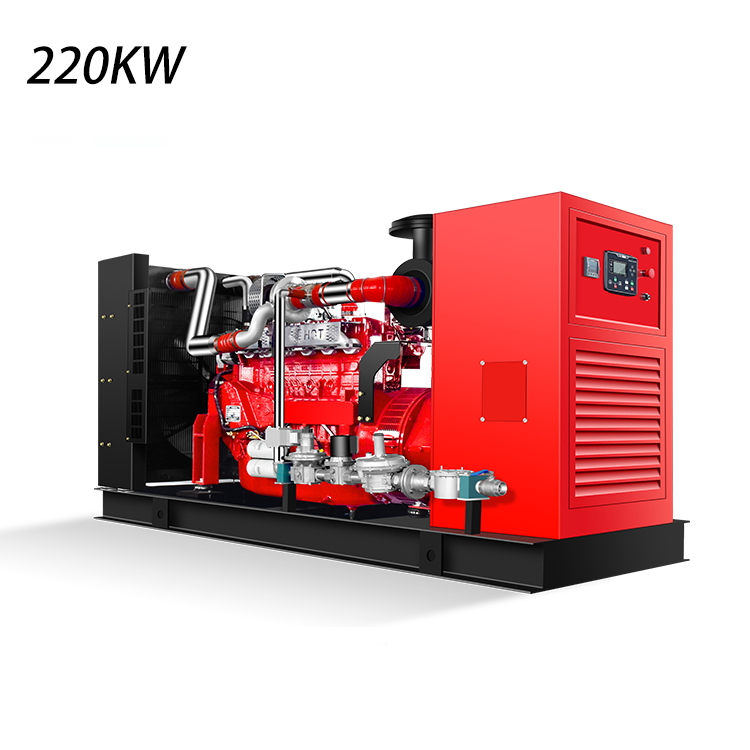
Sewage treatment facilities face mounting pressure to reduce operational costs while meeting increasingly strict environmental regulations. The solution lies in transforming waste into valuable energy through strategic investments in biogas technology. A biogas generator set represents more than just equipment acquisition—it's a pathway to operational self-sufficiency and environmental stewardship that can fundamentally reshape how sewage plants approach energy management.
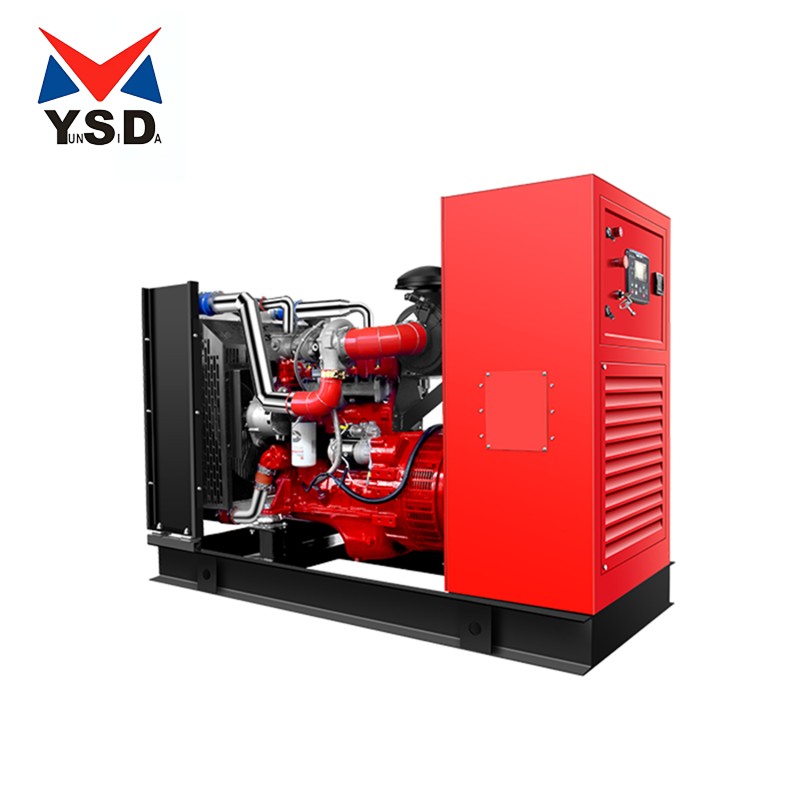
The compelling business case for sewage plants to invest in biogas generator sets extends far beyond simple energy production. These systems create a closed-loop process where organic waste becomes a revenue-generating asset, dramatically reducing facility operating expenses while contributing to carbon neutrality goals. Understanding why this investment delivers both immediate and long-term value requires examining the multifaceted benefits that make biogas generator sets essential infrastructure for modern wastewater treatment operations.
Economic Benefits Drive Investment Decisions
Substantial Energy Cost Reduction
Sewage treatment plants rank among the most energy-intensive municipal facilities, typically consuming between 25-40% of a city's total electricity budget. Installing a biogas generator set can reduce grid electricity dependency by 60-80%, translating into immediate cost savings that often justify the initial investment within three to five years. The generated biogas provides consistent, on-site power production that shields facilities from volatile energy pricing and grid reliability issues.
The economic impact becomes particularly pronounced when considering long-term energy price trends. A properly sized biogas generator set can produce electricity at costs significantly below commercial grid rates, creating substantial savings that compound annually. Many facilities report monthly electricity bill reductions exceeding $50,000, with larger plants achieving even greater savings through optimized biogas production and efficient generator operation.
Revenue Generation Through Excess Energy
Modern biogas generator sets often produce more electricity than sewage plants consume during off-peak hours, creating opportunities for revenue generation through grid sales or renewable energy credit programs. Many jurisdictions offer attractive feed-in tariffs for biogas-derived electricity, providing additional income streams that enhance overall project economics. This revenue potential transforms waste treatment from a cost center into a profit-generating operation.
The ability to sell excess electricity becomes particularly valuable during peak demand periods when grid prices reach premium levels. A strategically operated biogas generator set can time electricity production to maximize revenue opportunities while ensuring facility energy security. Some plants have successfully negotiated long-term power purchase agreements with local utilities, providing predictable revenue streams that support ongoing operational improvements.
Environmental Compliance and Sustainability Advantages
Carbon Footprint Reduction
Sewage plants face increasing regulatory pressure to minimize greenhouse gas emissions, making biogas generator sets essential tools for environmental compliance. Methane capture and conversion to electricity prevents this potent greenhouse gas from entering the atmosphere, effectively reducing facility carbon footprints by 40-60%. This emission reduction directly supports municipal climate action plans and regulatory compliance requirements.
The environmental benefits extend beyond carbon reduction to encompass broader sustainability goals. By converting organic waste into clean energy, a biogas generator set demonstrates circular economy principles that resonate with environmentally conscious communities and regulatory bodies. Many facilities use this environmental stewardship to strengthen public relations and support for municipal operations.
Regulatory Compliance Benefits
Environmental regulations increasingly mandate biogas capture and utilization at sewage treatment facilities, making generator set investments necessary for regulatory compliance rather than optional improvements. Facilities that proactively install biogas generator sets position themselves ahead of anticipated regulatory changes while avoiding potential penalties or forced retrofitting costs. This forward-thinking approach often qualifies facilities for environmental grants and incentive programs.
Compliance benefits also include improved air quality monitoring and emission reporting capabilities that biogas generator sets provide. Modern systems include sophisticated monitoring equipment that tracks emission levels, efficiency metrics, and environmental performance indicators required for regulatory reporting. This data collection capability simplifies compliance documentation while providing valuable operational insights.
Operational Reliability and Energy Security
Grid Independence and Backup Power
Sewage treatment operations cannot afford power interruptions, as system failures can result in environmental violations, equipment damage, and public health risks. A biogas generator set provides critical backup power capability that maintains essential operations during grid outages, protecting both equipment and environmental compliance. This energy security becomes increasingly valuable as aging electrical infrastructure faces growing reliability challenges.
The reliability advantages extend beyond emergency backup to include planned maintenance flexibility and load management capabilities. Facilities with biogas generator sets can schedule maintenance activities without disrupting critical processes, improving overall operational efficiency while reducing maintenance costs. This operational flexibility proves particularly valuable during peak demand periods when grid electricity costs reach premium levels.
Process Stability and Control
Biogas production provides sewage plants with greater control over their energy supply chain, reducing vulnerability to external factors that can disrupt operations. The consistent biogas generation from sewage processing creates a reliable fuel source that supports stable electricity production regardless of grid conditions. This process integration enhances overall plant efficiency while reducing operational complexity.
Modern biogas generator sets incorporate advanced control systems that automatically adjust operation based on biogas availability and facility energy demands. This intelligent operation maximizes energy utilization while protecting equipment from operational stress. The result is improved system longevity, reduced maintenance requirements, and optimized energy production that supports consistent sewage treatment performance.
Technology Integration and Future-Proofing
Smart Grid Compatibility
Contemporary biogas generator sets offer sophisticated grid integration capabilities that support smart grid initiatives and demand response programs. These systems can automatically adjust electricity production based on grid signals, participating in utility programs that provide additional revenue while supporting grid stability. This capability positions sewage plants as valuable grid resources rather than simple energy consumers.
The smart grid integration also enables predictive maintenance capabilities that reduce operational costs and improve system reliability. Advanced monitoring systems track performance metrics, predict maintenance needs, and optimize operation schedules to maximize biogas utilization. This technological sophistication ensures that biogas generator set investments remain valuable as energy systems continue evolving toward greater automation and intelligence.
Scalability and Expansion Options
Biogas generator sets can be designed with modular architectures that support facility expansion and changing energy needs. This scalability ensures that initial investments remain valuable as sewage treatment capacity grows or energy requirements change. Many systems allow for additional generator units to be added without disrupting existing operations, providing flexibility for long-term planning.
The expansion capabilities also support integration with other renewable energy technologies, creating comprehensive energy management systems that maximize efficiency and cost savings. Some facilities have successfully combined biogas generator sets with solar panels and energy storage systems, creating resilient microgrids that provide exceptional energy security while maximizing environmental benefits. This technological integration potential ensures that biogas investments support broader sustainability initiatives.
Financial Planning and Investment Recovery
Return on Investment Analysis
The financial case for biogas generator set investment becomes compelling when analyzing total lifecycle costs and benefits. Most facilities achieve positive cash flow within the first year of operation, with full investment recovery typically occurring within three to six years depending on energy costs and system sizing. The long operational life of biogas generator sets, often exceeding 20 years with proper maintenance, provides decades of positive returns on the initial investment.
Investment recovery accelerates when considering avoided costs beyond electricity purchases, including reduced waste hauling fees, lower chemical usage, and decreased equipment maintenance requirements. A comprehensive biogas generator set implementation often creates operational efficiencies that extend throughout the entire sewage treatment process, multiplying the financial benefits beyond simple energy savings.
Financing and Incentive Opportunities
Numerous financing programs and incentives make biogas generator set investments more accessible for sewage treatment facilities. Federal and state renewable energy incentives, environmental grants, and low-interest loans specifically support biogas projects at municipal facilities. These financial resources can cover 30-50% of project costs, significantly improving investment economics and reducing payback periods.
The availability of performance-based financing options allows facilities to implement biogas generator sets with minimal upfront capital requirements. Energy service companies increasingly offer turnkey solutions where they finance, install, and maintain biogas systems in exchange for a share of energy savings. This approach enables facilities to realize immediate benefits while transferring technical and financial risks to experienced service providers.
FAQ
What is the typical payback period for a biogas generator set at a sewage plant?
Most sewage plants achieve payback periods between 3-6 years for biogas generator set investments, depending on facility size, local energy costs, and available incentives. Larger facilities with higher energy consumption typically see faster payback due to greater cost savings, while smaller plants may take longer but still achieve positive returns. The payback calculation should include all benefits such as reduced electricity costs, revenue from excess power sales, and avoided waste disposal fees.
How much electricity can a biogas generator set produce from sewage treatment processes?
A properly designed biogas generator set can typically produce 60-80% of a sewage plant's electricity needs, with some facilities achieving complete energy self-sufficiency. The exact amount depends on the organic content of incoming sewage, digester efficiency, and generator sizing. Most medium-sized plants (5-20 MGD capacity) can generate 200-800 kW of continuous power from their biogas production, sufficient to power critical operations and often produce excess electricity for sale.
What maintenance requirements should sewage plants expect for biogas generator sets?
Biogas generator sets require regular maintenance similar to other industrial generators, including scheduled oil changes, filter replacements, and periodic engine overhauls. Most manufacturers recommend maintenance intervals every 500-1000 operating hours, with major overhauls needed every 8-10 years depending on operating conditions. Properly maintained systems can operate reliably for 20-25 years, making them excellent long-term investments for sewage treatment facilities.
Are there regulatory requirements that mandate biogas capture at sewage plants?
Many jurisdictions now require sewage plants to capture and beneficially use biogas rather than flaring or venting it to the atmosphere. EPA regulations increasingly focus on methane emission reduction, and many state environmental agencies mandate biogas utilization at facilities above certain capacity thresholds. Installing a biogas generator set helps ensure regulatory compliance while providing economic benefits, making it both an environmental necessity and business opportunity for most sewage treatment facilities.
Table of Contents
- Economic Benefits Drive Investment Decisions
- Environmental Compliance and Sustainability Advantages
- Operational Reliability and Energy Security
- Technology Integration and Future-Proofing
- Financial Planning and Investment Recovery
-
FAQ
- What is the typical payback period for a biogas generator set at a sewage plant?
- How much electricity can a biogas generator set produce from sewage treatment processes?
- What maintenance requirements should sewage plants expect for biogas generator sets?
- Are there regulatory requirements that mandate biogas capture at sewage plants?