
In any engine-driven system, maintaining consistent operational speed under varying load conditions is not merely a performance preference — it is a fundamental engineering requirement. A governor speed controller is the core component responsible for this regulation, ensuring that an engine delivers steady rotational speed regardless of fluctuating mechanical demands. Without this device, engines would surge, stall, or operate unpredictably, making reliable power generation and industrial operation virtually impossible.
Understanding what a governor speed controller is and why it holds such critical importance helps engineers, procurement managers, and system operators make better decisions about power equipment selection, maintenance, and performance optimization. This article provides a detailed look at the definition, working principles, applications, and value of the governor speed controller in modern industrial and power generation environments.
Defining the Governor Speed Controller
Core Function and Purpose
A governor speed controller is an electromechanical or electronic device that monitors and regulates the rotational speed of an engine or prime mover. Its primary function is to sense deviations from a desired speed setpoint and automatically adjust the fuel or throttle input to correct those deviations in real time. The result is a stable, controlled output speed that the system can rely upon under dynamic load conditions.
The governor speed controller achieves this by continuously comparing actual engine speed against the programmed reference speed. When a load increases and the engine begins to slow down, the controller responds by increasing fuel delivery. Conversely, when the load drops and the engine tends to overspeed, the controller reduces fuel input. This closed-loop feedback mechanism is what makes the governor speed controller indispensable in any serious power application.
Unlike simple manual throttle adjustments, the governor speed controller operates autonomously and with far greater speed and precision than any human operator could achieve. This autonomy is critical in environments where speed fluctuations of even a few percent can cause equipment malfunction, electrical frequency instability, or safety hazards.
Key Components Within the System
A modern governor speed controller typically consists of a speed sensing element, a control electronics unit, and an actuator mechanism. The speed sensor, often a magnetic pickup, reads pulses from a toothed wheel on the engine flywheel and converts them into a frequency signal representing actual engine RPM. This signal feeds into the electronic control unit where it is compared against the setpoint value.
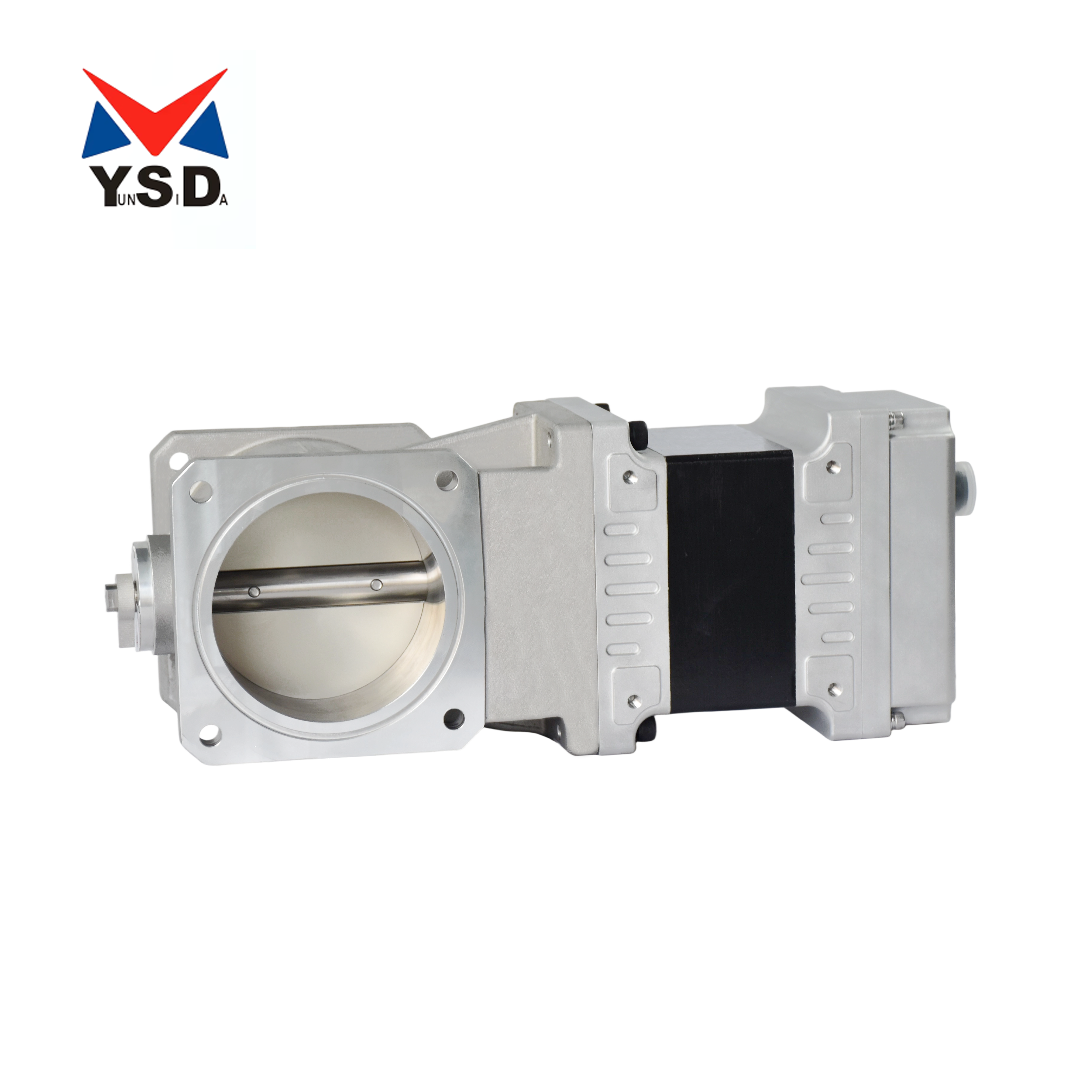
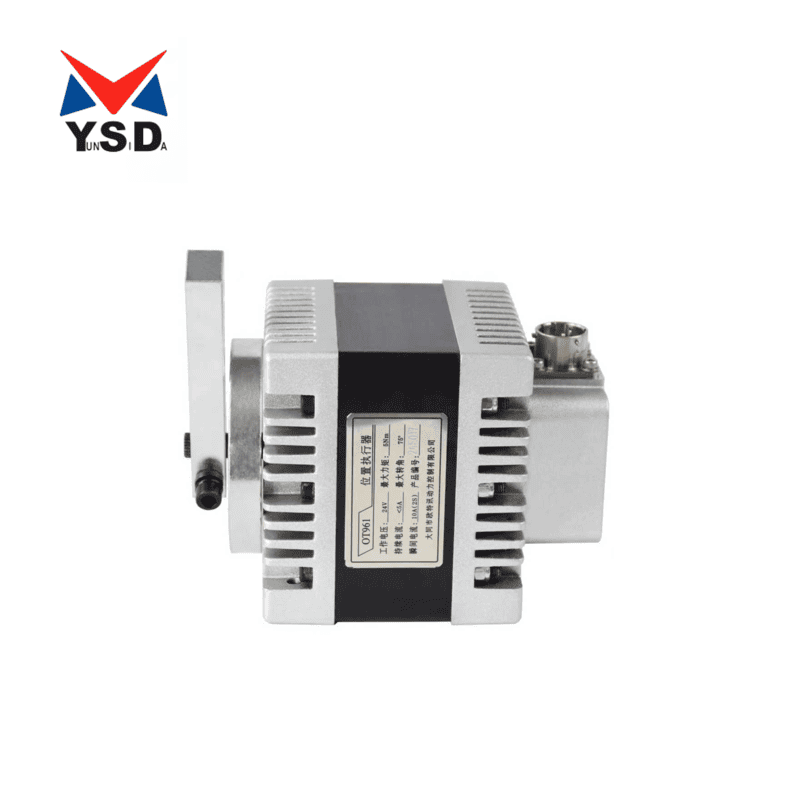
The control unit processes the error signal using proportional, integral, and derivative (PID) logic to determine the necessary corrective action. The actuator then physically adjusts the fuel rack, throttle linkage, or fuel control valve based on the controller's output. In integrated designs, the governor speed controller may combine the driver electronics and actuator into a single compact assembly, simplifying installation and reducing wiring complexity.
Each component within the governor speed controller must operate reliably under harsh industrial conditions including vibration, temperature extremes, and electrical noise. The quality and engineering precision of these components directly determine how accurately and responsively the controller can maintain engine speed.
How a Governor Speed Controller Works in Practice
The Closed-Loop Regulation Mechanism
The operation of a governor speed controller follows a closed-loop control philosophy. When an engine is running at its setpoint speed and a load is suddenly applied — for example, when a generator picks up a large electrical load — the engine experiences increased resistance, causing its rotational speed to drop momentarily. The governor speed controller detects this drop within milliseconds and commands the actuator to open the fuel valve further, restoring engine speed to the desired level.
This correction cycle happens continuously and automatically throughout the engine's operation. The sophistication of the governor speed controller lies in how quickly and smoothly it can execute these corrections without causing overshoot, hunting, or instability. A well-tuned governor speed controller brings the engine back to setpoint speed with minimal oscillation, a performance characteristic known as good transient response.
The PID tuning parameters within the governor speed controller determine the aggressiveness and stability of this response. Proportional gain drives immediate correction, integral action eliminates steady-state error, and derivative action dampens oscillations. Balancing these three parameters is essential for achieving optimal performance from the governor speed controller on any specific engine platform.
Load Response and Speed Droop Settings
Many governor speed controllers offer a configurable feature called speed droop, which allows the engine speed to decrease slightly as load increases. This intentional droop characteristic is particularly important in parallel generator applications, where multiple generator sets must share load proportionally without fighting each other. By setting a defined droop percentage, each governor speed controller allows its associated generator to naturally accept a fair share of the total load.
In isochronous mode, the governor speed controller maintains exactly the same speed regardless of load level, which is preferred for single-generator systems or those with precise frequency requirements. Understanding when to use droop versus isochronous control is an important aspect of deploying a governor speed controller effectively in complex power systems.
The flexibility to configure these parameters digitally, often through analog adjustment potentiometers or digital interfaces, makes the modern governor speed controller adaptable to a wide range of engine types, fuel systems, and application demands. This configurability significantly enhances the practical value of the device.
Why the Governor Speed Controller Is Critical to Engine Systems
Protecting Equipment and Ensuring Safety
One of the most important reasons a governor speed controller matters is its role in protecting expensive engine-driven equipment from the damage caused by uncontrolled speed variations. Engines that overspeed can suffer catastrophic mechanical failure, including broken connecting rods, bearing failures, and valve damage. Engines that stall under heavy load waste energy and create operational downtime. The governor speed controller prevents both extremes by keeping the engine within its safe operating speed range at all times.
In generator applications specifically, the governor speed controller directly influences the quality of the electrical power produced. Engine speed determines output frequency — typically 50 Hz or 60 Hz depending on the region. If the governor speed controller allows speed to drift, the electrical frequency drifts with it, which can damage sensitive equipment connected to the generator output. The governor speed controller is therefore as important to the electrical performance of a generator as it is to the mechanical performance of the engine itself.
Beyond equipment protection, the governor speed controller contributes significantly to operator safety. Uncontrolled engine overspeed in industrial machinery can create dangerous conditions for nearby workers. Regulations in many industries require verified overspeed protection, and a reliable governor speed controller is central to meeting those requirements.
Operational Efficiency and Fuel Economy
Precise speed regulation by the governor speed controller also delivers tangible fuel economy benefits. An engine that operates at a tightly controlled speed consumes exactly the fuel required for the current load condition. Without a governor speed controller, operators might compensate for instability by running at unnecessarily high idle speeds or accepting inefficient combustion cycles, both of which waste fuel and increase operating costs.
In continuous-duty applications such as industrial generators, gas compressor drives, or pump drives, even small improvements in fuel efficiency — enabled by accurate governor speed control — translate into meaningful cost savings over the equipment's operational lifespan. This makes investing in a high-quality governor speed controller an economically sound decision, not just a technical one.
Additionally, stable speed control reduces mechanical wear and thermal stress on engine components, extending service intervals and overall equipment lifespan. The governor speed controller thus contributes indirectly to lower total cost of ownership for the entire power system.
Applications of the Governor Speed Controller Across Industries
Power Generation and Generator Sets
The governor speed controller is perhaps most widely recognized in generator set applications. Whether the generator is used as a primary power source, a standby emergency system, or part of a distributed generation network, the governor speed controller ensures the prime mover operates at the precise speed needed to produce stable electrical output. The consequences of poor speed control in a generator context are immediately felt — lights flicker, motors behave erratically, and sensitive electronic equipment may fail or sustain damage.
In parallel generator operation, where two or more generator sets share a common bus, the governor speed controller must be precisely calibrated to allow proportional load sharing. Without proper governor speed controller settings, one unit may absorb all the load while others run unloaded, or worse, the units may fight each other in a condition called motoring, where one generator drives the other as a motor.
Modern governor speed controllers used in generator applications often include communication interfaces such as CAN bus or analog signals that allow integration with automatic transfer switches, load management systems, and remote monitoring platforms, further extending their operational value.
Industrial Engines and Process Machinery
Beyond power generation, the governor speed controller plays an equally vital role in industrial engines driving pumps, compressors, drilling equipment, agricultural machinery, and marine propulsion systems. In each of these applications, consistent engine speed is critical to process quality, equipment protection, and operational reliability.
For example, in a gas compression application, the compressor must operate at a consistent speed to maintain the desired throughput and pressure differential. A governor speed controller on the driving engine ensures the compressor receives consistent mechanical power input regardless of varying suction or discharge pressures. Similarly, in irrigation or municipal water supply, pump-driving engines benefit from the stable speed control provided by a governor speed controller to maintain consistent flow rates and pressures.
The governor speed controller in these industrial settings must be robust enough to handle the demanding duty cycles, environmental conditions, and vibration levels inherent in field-deployed equipment. Durability and reliability are therefore just as important as control precision when selecting a governor speed controller for industrial machinery.
Selecting and Maintaining a Governor Speed Controller
Key Selection Criteria
Choosing the right governor speed controller for a specific application requires evaluating several important parameters. The engine type — whether diesel, natural gas, or dual-fuel — influences which actuator type and fuel control interface the governor speed controller must support. The power rating and inertia characteristics of the engine and driven load determine the required speed of response and actuator force.
The operating environment also plays a significant role in governor speed controller selection. Applications exposed to high humidity, extreme temperatures, or heavy vibration require controllers with appropriate ingress protection ratings and ruggedized construction. The availability of the governor speed controller's compatible accessories, including speed sensors, actuators, and wiring harnesses, is another practical consideration that affects both installation ease and long-term serviceability.
Integrated governor speed controller designs, which combine the electronic control unit and actuator in a single housing, offer advantages in compactness, reduced wiring, and simplified installation. These designs are particularly attractive in retrofitting older engine platforms where space and installation simplicity are priorities.
Installation, Tuning, and Preventive Maintenance
Proper installation of the governor speed controller is the foundation of reliable performance. This includes correct mounting of the actuator to the fuel system, accurate placement of the speed sensor at the recommended gap distance from the flywheel ring gear, and secure, noise-free wiring connections. Errors in installation can cause erratic behavior that is often mistakenly attributed to the governor speed controller itself rather than the installation quality.
Once installed, the governor speed controller must be tuned to match the specific engine and load characteristics. This tuning process involves adjusting the PID control parameters while observing the engine's response to load step changes. A properly tuned governor speed controller brings the engine back to setpoint speed quickly and smoothly without excessive oscillation or prolonged recovery time.
Preventive maintenance for the governor speed controller focuses on periodic inspection of the actuator linkage for wear and binding, verification of the speed sensor gap and signal integrity, and checking of all electrical connections for corrosion or looseness. Some governor speed controller models include built-in diagnostic features that simplify fault identification and reduce downtime when problems do occur.
FAQ
What is the main difference between a mechanical governor and an electronic governor speed controller?
A mechanical governor uses centrifugal flyweights and spring tension to physically regulate fuel flow based on engine speed, while an electronic governor speed controller uses digital sensors, microprocessor-based control logic, and a powered actuator to achieve the same result with far greater precision and configurability. Electronic governor speed controllers respond faster, allow more flexible tuning, and can integrate with modern engine management and monitoring systems, making them the preferred choice for most current industrial and power generation applications.
Can a governor speed controller be retrofitted to an older engine?
Yes, in most cases a governor speed controller can be retrofitted to an older engine, provided that a compatible actuator can be mechanically coupled to the fuel system and a suitable speed sensor can be installed on the flywheel or another rotating shaft. The availability of integrated governor speed controller assemblies that combine the electronics and actuator makes retrofitting more practical, as they minimize the number of components that must be individually sourced and installed.
How does a governor speed controller affect generator output frequency?
Generator output frequency is directly proportional to engine speed. For a four-pole generator operating at 50 Hz, the engine must run at exactly 1500 RPM; for 60 Hz, the engine must run at 1800 RPM. The governor speed controller maintains the engine at precisely these speeds, ensuring that the electrical frequency remains stable. Any deviation in engine speed caused by poor governor speed controller performance will directly cause the output frequency to deviate, which can damage connected equipment and violate power quality standards.
What causes a governor speed controller to hunt or oscillate?
Hunting or oscillation in a governor speed controller is typically caused by incorrect PID tuning, usually excessive proportional gain without sufficient dampening from the derivative term. Mechanical issues such as actuator linkage binding, air in the fuel system, or a damaged speed sensor can also produce oscillatory behavior that mimics poor tuning. A thorough diagnostic process that separates mechanical root causes from control parameter issues is necessary to resolve hunting effectively and restore stable governor speed controller operation.
Table of Contents
- Defining the Governor Speed Controller
- How a Governor Speed Controller Works in Practice
- Why the Governor Speed Controller Is Critical to Engine Systems
- Applications of the Governor Speed Controller Across Industries
- Selecting and Maintaining a Governor Speed Controller
-
FAQ
- What is the main difference between a mechanical governor and an electronic governor speed controller?
- Can a governor speed controller be retrofitted to an older engine?
- How does a governor speed controller affect generator output frequency?
- What causes a governor speed controller to hunt or oscillate?